
Living in Atlanta comes with its own unique charms and, sometimes, some particular home maintenance challenges like dealing with septic systems. If you’re one of the thousands of homeowners in the Fulton or DeKalb areas relying on septic, you know that regular septic tank pumping is key to avoiding messy backups and protecting your investment. But with so many septic tank pumping services available in Atlanta, how do you choose the best provider? This guide aims to help, offering costs, tips, and advice on selecting a reliable company for your septic tank pumping needs, all based on reliable sources.
Finding the right septic tank company can feel like a lot to figure out, with over 200,000 systems spread across the Atlanta metro area. This guide is designed to help you cut through the confusion by walking you through the essentials, from understanding how pumping works to finding a dependable company nearby in 2025. We’ll focus on straightforward information, so you can make a smart choice and keep your system running smoothly.
What Are Septic Tank Pumping Services?
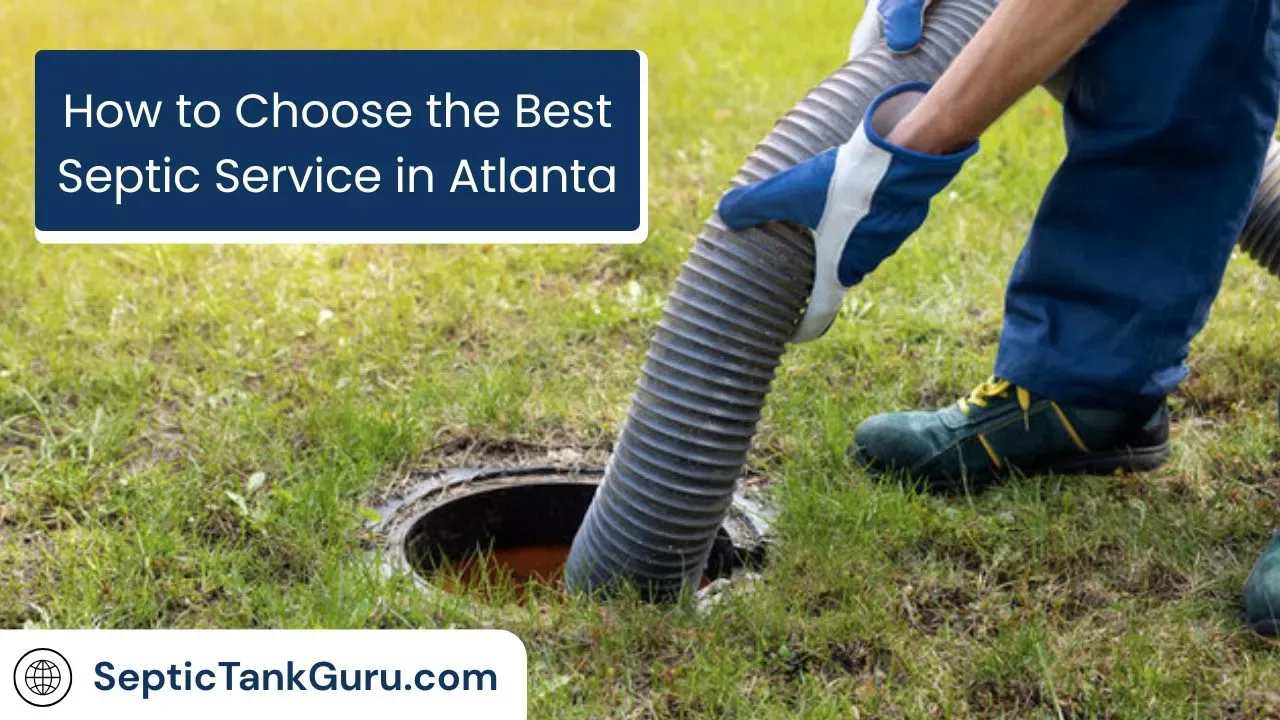
At its core, septic tank pumping is the housekeeping for your home’s underground wastewater setup. A pro service shows up with a vacuum truck, hooks up a hose, and sucks out the built-up sludge, scum, and liquids before they overflow into your drain field or worse, back into your pipes. It’s not glamorous, but it’s crucial for homes not hooked up to city sewers, especially in Atlanta’s sprawling suburbs where septics handle everything from showers to dishwater.
These services often bundle in inspections too, checking for cracks or clogs while they’re at it. And in Georgia, it’s all regulated by the DPH to keep our groundwater safe—head over to their Onsite Sewage page for the full rundown.
Why Septic Tank Pumping Is Essential
Without pumping, solids pile up in your tank, turning it into a ticking time bomb. That sludge can clog pipes, flood your yard with sewage, or contaminate local water sources like the Chattahoochee. In Atlanta’s clay-heavy soil, where drainage is already iffy, a full tank means backups during our 50+ inches of yearly rain. Regular service prevents $1,000+ repair bills and keeps your family safe from health risks like E. coli exposure.
How Often You Should Pump Your Septic Tank
Aim for every 3-5 years, but tweak it based on your household: bigger families or heavy water users might need it sooner, like every 3 years. The DPH’s Homeowner’s Guide has a handy chart—factor in tank size (1,000 gallons minimum for most homes) and usage to stay on track.
Signs Your Septic Tank Needs Pumping
Don’t wait for the mess—watch for these telltales: slow drains or gurgling toilets, foul odors wafting from the yard, soggy spots over the drain field, or unusually lush grass patches (yep, that’s overflow fertilizer). If sewage backs up indoors, that’s your SOS—call a pro ASAP.
How Septic Tank Pumping Works
Pumping isn’t rocket science, but it takes the right gear and know-how to do it without damaging your setup. A certified tech rolls up in a truck fitted with a powerful vacuum pump, ready to clear out years of buildup while eyeing for trouble spots.
Step-by-Step Pumping Process
Here’s the play-by-play: First, they locate and uncover the tank lids (often buried under grass or dirt). Next, the hose dives in, and the vac truck slurps out sludge from the bottom, scum from the top, and effluent in between—usually taking 30-60 minutes for a standard tank. They rinse the tank with water or enzymes, haul the waste to a DPH-approved site, and reseal everything. Boom—fresh start.
What Technicians Look For During Service
While pumping, pros measure sludge depth (shouldn’t top a third of the tank), scan for cracks in the walls or baffles, and check inlet/outlet pipes for blockages. In Georgia’s clay soils, they’ll flag compaction risks that could pinch the drain field.
Common Problems Found During Pumping
Expect to hear about grease clogs (from kitchen sinks), tree roots invading lines, or failing baffles letting solids escape. Heavy rain backups are big here too—early catches save you from a $10k drain field redo.
Cost of Septic Tank Pumping in Atlanta
Budgeting for this? It’s more affordable than you think, but it varies. Atlanta’s averages hover around $245-290 for a basic 1,000-gallon job, though national trends push toward $290-559 with add-ons. Shop around for quotes—it’s your money.
Average Pricing Breakdown
- 1,000-gallon tank: $245-290
- Larger (1,500+ gallons): $300-400
- Inspection add-on: $100-200
- Emergency call: $300-500 extra
Factors That Affect the Cost
Tank size tops the list, but access (buried deep in clay?) or location (rural vs. city traffic) bumps it up. Wet seasons or extras like root cutting add 10-20%.
How to Avoid Overpaying
Get 2-3 written quotes, skip “miracle additives” upsells, and verify DPH certification upfront—unlicensed ops charge hidden dump fees.
How to Choose the Best Septic Tank Pumping Company
The key? Vet like you’re hiring for your dream job. Prioritize locals who know Atlanta’s soil and storms, with glowing reviews and no shortcuts.
Certifications and Experience to Look For
Georgia requires DPH registration and county permits—grab their certified pumper list (still current for 2025). Seek 5+ years experience for clay-savvy crews.
Questions to Ask Before Hiring
- “What’s your DPH cert number?”
- “How do you handle storm emergencies?”
- “Flat rate including disposal?”
Warning Signs of Bad or Scam Companies
Door-to-door cold calls, no license proof, or pressure for “immediate” repairs scream scam. Vague pricing or no insurance? Run.
Finding the Best Septic Pumping Service in Atlanta
Choosing the right company takes a few minutes of smart research but can save you thousands in repairs and headaches. Below are three focused steps (with what to look for and exact things to ask) so you can compare providers fast and confidently.
Research Reviews and Ratings
Start by scanning recent customer feedback on Google, Yelp and Facebook to spot patterns (punctuality, cleanliness after the job, hidden fees). Give more weight to companies with many recent reviews (ideally 4.0–4.5+ average and dozens of reviews) rather than a few old five-star ratings. When you read reviews, filter for comments from Atlanta neighborhoods (Fulton / DeKalb area names) so you see how the company performs in local traffic and soil conditions.
What to do now: open the company’s Google listing → read the newest 20 reviews → note any recurring complaints (extra fees, slow response, poor cleanup).
(Why this matters) — review trends are a fast proxy for reliability and post-service issues; top-rated providers tend to have fewer callbacks and cleaner jobs.
Verify Certifications and Licensing
In Georgia, certified pumpers and valid county septage removal permits are not optional — they’re required. Always ask the company to provide their Georgia DPH certification number and the county septage permit number, and confirm those against the Georgia DPH / county records. Also confirm how and where they dispose of septage — state rules require disposal only at approved facilities or permitted land-application sites. If a provider can’t show current certification, insurance, or a valid disposal plan, cross them off your list.
Compare Pricing and Quotes
Get written, itemized quotes from 3 providers before booking. Typical Atlanta ranges vary by tank size, access difficulty and disposal fees — regional guides show median ranges roughly $300–$700, though local rates and specials exist (some local vendors list $149–$249 for standard tanks plus dispatch fees). Ask providers to break out: tank size charge, access / riser fees, disposal fee, and any emergency or after-hours surcharge. Insist the quote be emailed and state exactly what’s included (e.g., full pump, inspection, scum/sludge removal, clean-up).
Maintenance Tips After Pumping
Freshly pumped? Keep it that way with smart habits—UGA Extension swears by these to stretch your next service.
Dos and Don’ts for Homeowners
Do: Conserve water, use low-flow fixtures. Don’t: Flush wipes, grease, or chemicals—they kill bacteria.
How to Extend the Life of Your Septic System
Divert roof runoff, plant trees far from the field, and inspect yearly—no driving over it!
Helpful Yearly Maintenance Checklist
- Check drains for slows.
- Sniff for odors.
- Inspect field for pooling.
- Log your last pump date.
Final Thoughts
Why Regular Pumping Saves Money
It heads off $10k disasters for under $300—simple math that pays off in dry basements and fewer calls.
When to Schedule Your Next Service
Mark your calendar 3-5 years out, or sooner if signs pop. Hit the DPH site, pick a certified crew, and breathe easy. Got a story? Share below—here’s to septic peace in ATL.
Need Septic Pumping in Atlanta?
Get fast, certified service from Septic Tank Guru.
📞 Call Now or Request a Quote: