
Septic Tank Inspection
Buying or selling a home in Metro Atlanta or surrounding areas? Experiencing slow drains or system stress? We provide fast reporting, upfront pricing, and certified septic inspections across North Georgia.
Professional Septic Tank Inspection Services in Metro Atlanta
A septic tank is part of a complete wastewater treatment system designed to safely treat and disperse effluent into the drain field. In Metro Atlanta’s heavy clay soil, poor absorption and high groundwater conditions increase the risk of drain field saturation.
A surface-level check does not reveal sludge buildup, failing baffles, or hydraulic overload. Our structured septic inspections evaluate tank integrity, effluent flow, and soil absorption performance specific to Georgia environmental conditions.
Warning Signs Your Septic System is Failing
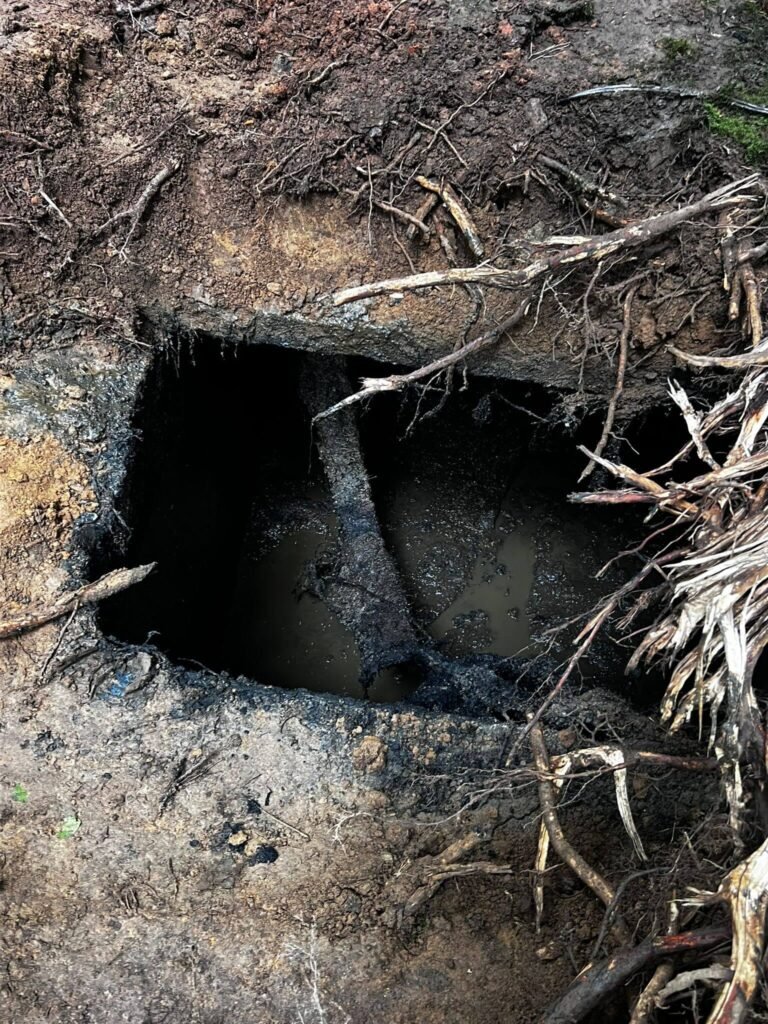
Minor plumbing symptoms often signal deeper septic system failure. In North Georgia, saturated soil and excessive rain can accelerate drain field breakdown.
Problem Signs We Investigate
- System Stress Indicators
- Slow drains in multiple fixtures
- Gurgling during discharge
- Effluent surfacing in the yard
- Sewage backup at floor drains
These warning signs indicate high sludge levels, clogged effluent filters, or failing absorption areas. Ignoring them can lead to sewage backup or full drain field replacement, which is especially costly in Metro Atlanta properties with limited yard space.
We diagnose the root cause and recommend corrective action before the damage spreads.
Our Inspection Process in Metro Atlanta
Septic systems in Metro Atlanta require technical precision due to dense clay soil and fluctuating groundwater levels. We follow a structured, code-aware inspection process designed for Georgia environmental conditions.
1. Sludge & Scum Level Measurement
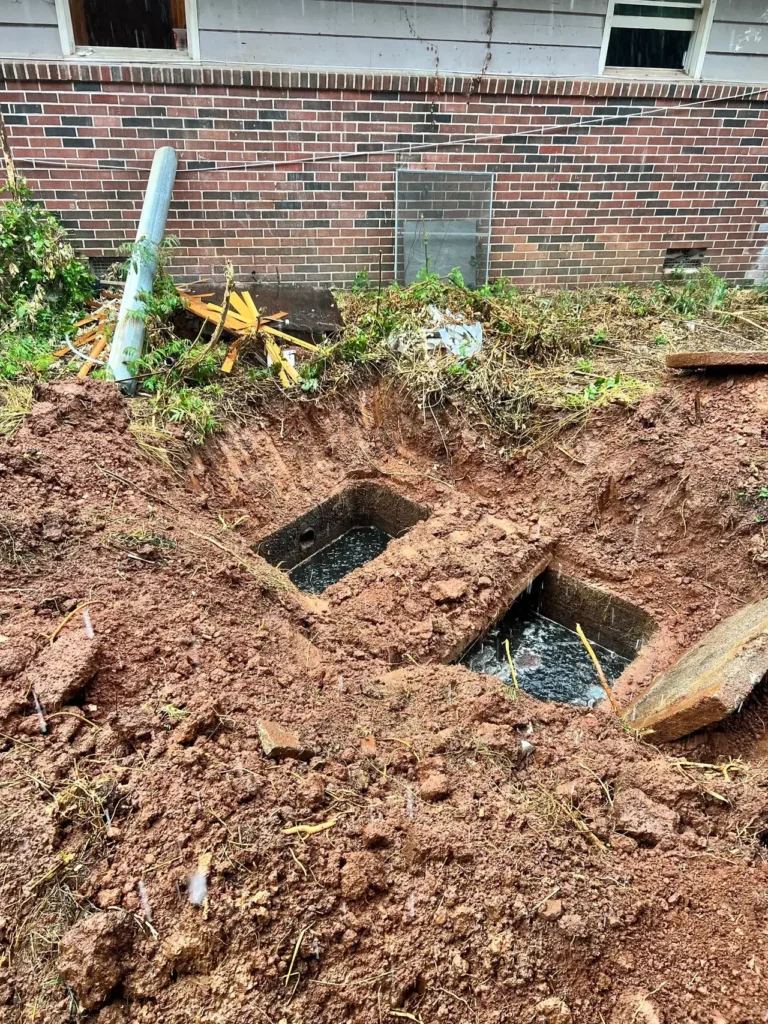
We open the septic tank and measure sludge levels and scum layers using calibrated tools. Excess accumulation reduces anaerobic digestion capacity and increases hydraulic load on the drain field.
Clay-heavy soil in North Georgia limits absorption tolerance. Accurate sludge measurement prevents solids from escaping into the leach field and causing premature failure.
2. Baffle & Filter Examination
We inspect the inlet and outlet baffles for deterioration, displacement, or corrosion. Damaged baffles allow solids to enter the drain field and clog the distribution system.
We remove and assess the effluent filter to confirm unobstructed effluent flow. Filter blockages often explain slow drains and recurring backups in Metro Atlanta homes.
3. Drain Field / Absorption Area Testing
We inspect the drain field for standing water, soggy soil, or lush grass growth. These symptoms indicate oversaturation or soil compaction common in Georgia clay.
Hydraulic load testing simulates household water use. This test confirms whether the absorption area can handle normal demand without surface effluent breakout.
4. Camera Sewer Line Scoping
We insert a high-resolution sewer camera through the sewer line to identify root intrusion, pipe separation, or structural collapse. Mature tree roots are a frequent issue in established Metro Atlanta neighborhoods.
This diagnostic step confirms proper wastewater flow from the home to the septic tank. Early detection prevents emergency sewage backup.
Why Metro Atlanta Homeowners Choose Us
Septic inspections require technical expertise and regional knowledge. Our team understands Georgia soil conditions, permitting standards, and real estate requirements.
Licensed Georgia septic technicians
Advanced diagnostic tools including sewer camera scoping
Transparent, upfront pricing with no hidden fees
Detailed written reports accepted for Metro Atlanta home sales
Book Your Inspection Service
What Georgia Homeowners Say


Brian was excellent to work with! He scheduled us quickly and did exactly what he said he was going to do. He was great explaining the process to repair and how to maintain it. Highly recommended and will be referring this company for my clients in the future. Professional and honest...which is what I was looking for!
These guys have been helping my clients since I got started in the real estate business. They have helped many of my clients with septic inspections before they bought properties. They also helped my clients drain or repair any septic issues. Thank you guys for taking great care of my clients.
Septic Inspection Service Area
Our licensed technicians provide comprehensive septic evaluations throughout the following Metro Atlanta counties and communities:
Metro Atlanta Septic Inspection FAQs
How much does a septic inspection cost in Metro Atlanta?
The cost of a septic inspection in Metro Atlanta typically ranges based on system size and the level of diagnostic testing required, such as camera sewer line scoping. Prices vary depending on whether you need a routine maintenance check or a comprehensive evaluation involving hydraulic load testing to verify drain field performance.
Is a septic inspection required for a Georgia home sale?
Yes, most Georgia real estate transactions require a certified septic inspection report and letter to verify the system is functioning properly before closing. Lenders and buyers typically demand these evaluations to ensure the wastewater treatment system can handle future hydraulic load without failing.
How often should a septic system be inspected in North Georgia?
Most septic systems in Metro Atlanta should be professionally inspected every 3 to 5 years to ensure long-term functionality. Systems located in North Georgia’s dense clay soil may require more frequent evaluations of sludge levels and effluent filters to prevent biomat overgrowth and absorption failure
Related Septic Services
Septic Tank Pumping
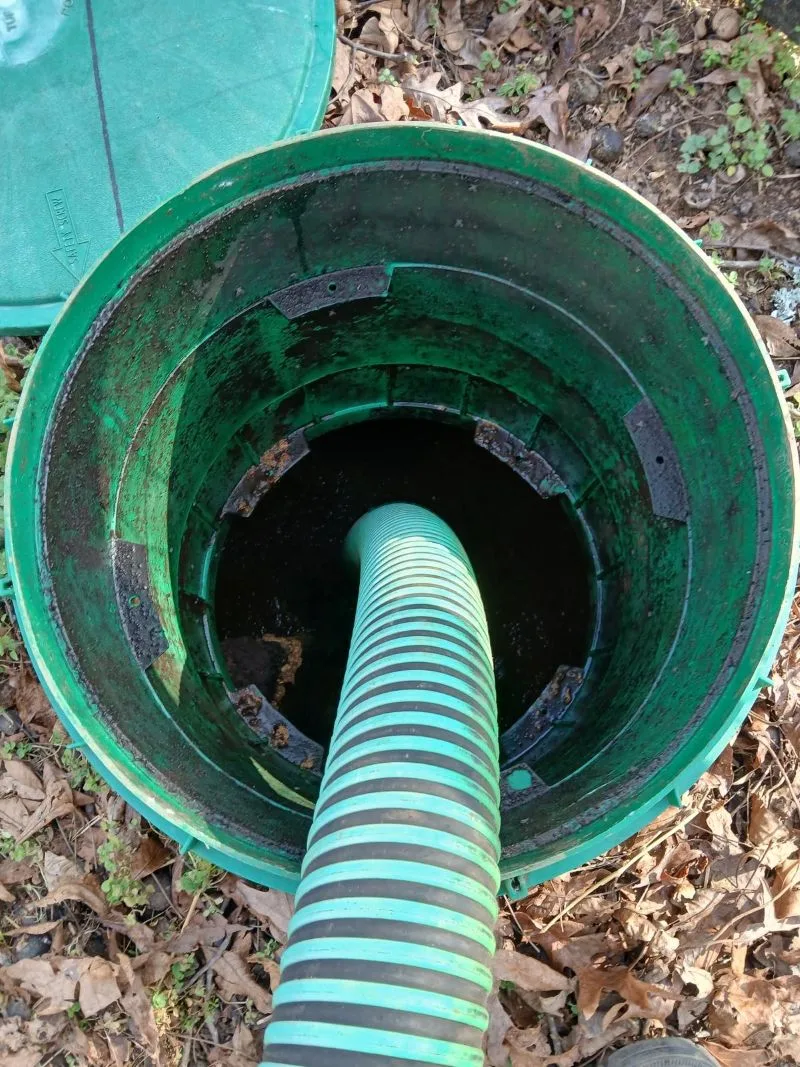
Maintain safe sludge levels to prevent solids from entering your new drain field.

Commercial Septic Repair
High-capacity solutions for Atlanta business owners.
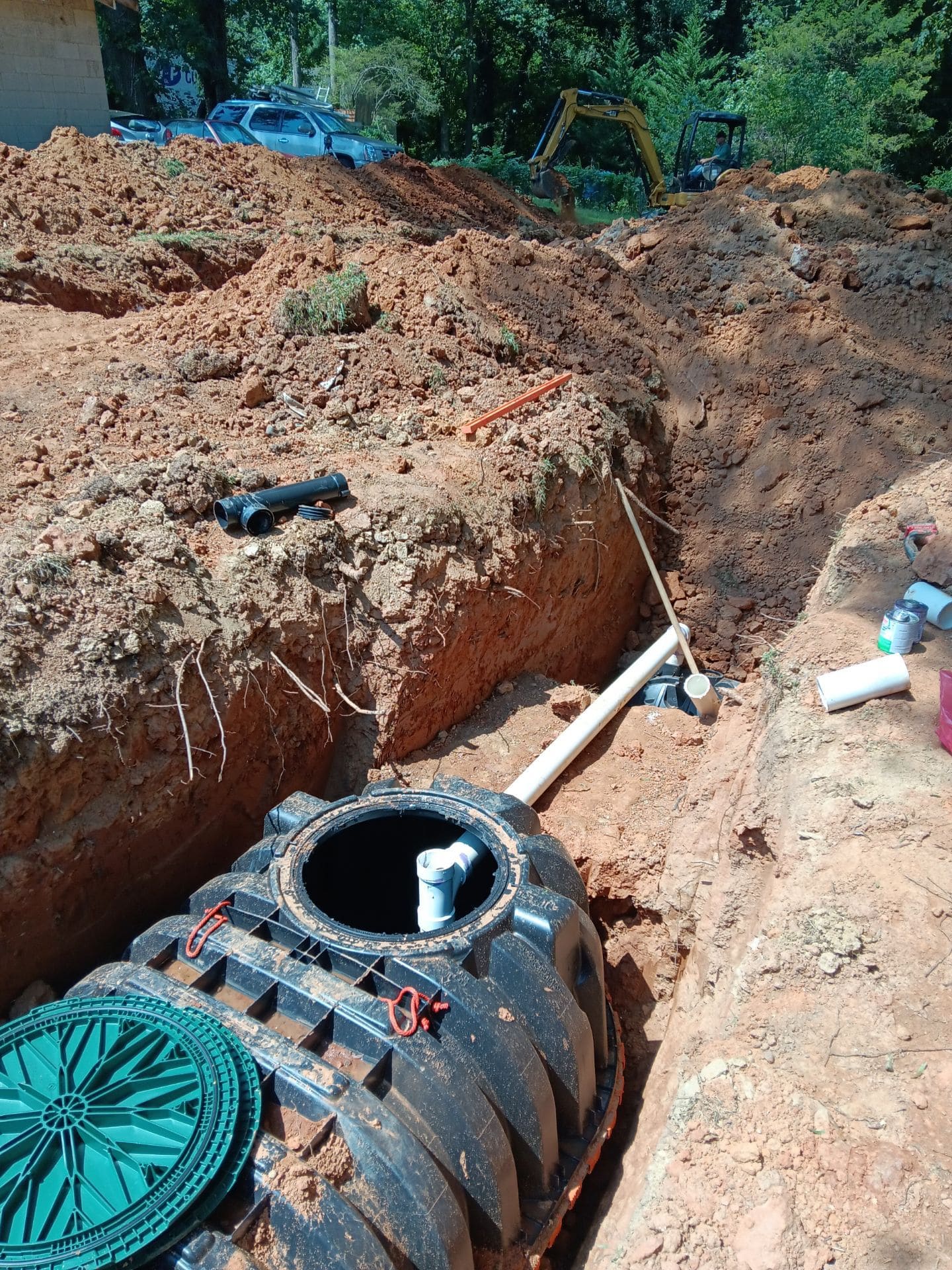
Septic Tank Installation
From site permits to soil testing, we install modern, high-efficiency septic systems designed to last for decades and meet all local Georgia codes.