
Septic Tank Installation in Georgia — Permits, Pricing and Drainfield Setup
New construction. System replacement. Failing drainfield. Whatever brings you here, Septic Tank Guru handles the full septic tank installation in Georgia from start to finish. That means soil testing, county permits, excavation, tank placement, and drainfield setup — all under one DPH-certified crew. We've been installing systems across Metro Atlanta for 13+ years. New systems start at $4,400.
DPH-Certified Technicians
13+ Years Serving Atlanta
Flat-Rate Published Pricing
1-Year Warranty on All Work
Signs You Need a New Septic System Installation in Georgia
Not every septic problem needs a replacement. But some do. Here are the situations where a new septic tank installation is the right call — not another repair, not another pump-out.
Your System is 25-30+ Years Old
Most Georgia septic systems have a lifespan of 25-40 years depending on materials and maintenance. If your system was installed in the 1990s or earlier and you’re dealing with recurring issues, replacement is often more cost-effective than continued repairs.
Recurring Backups Despite Regular Pumping
If your tank fills up weeks after a pump-out, the problem isn’t the tank — it’s the drainfield. When the drainfield fails, solids overwhelm the soil faster than it can process them. Pumping provides temporary relief but won’t fix failed drainfield absorption. A new system does.
Standing Water Over the Drainfield
Pooling water or soggy ground above your drainfield is a sign of field failure. In Georgia’s red clay soil, once the soil seals from solid waste infiltration, it rarely recovers. A drainfield replacement — or full system installation — is the only lasting fix.
New Home Construction or Addition Outside City Sewer
Building a home in a Georgia area not served by municipal sewer? You need a new septic system installed before your certificate of occupancy. We handle the full process — soil testing, EPD permits, and installation — timed to your construction schedule.
Buying a Property with a Non-Compliant System
Georgia home inspections and real estate transactions sometimes surface septic systems that don’t meet current Georgia EPD or county health department standards. We handle remediation and full installation for buyers and sellers who need to bring a system into compliance before closing.
Types of Septic Systems We Install in Georgia
Not every Georgia property can take a conventional system. Red clay soil, high water tables, steep grades, and lot size all affect which system type is allowed under Georgia EPD regulations. We assess your property and install the right system — not just the easiest one.
Conventional Septic Systems
The standard system for most Georgia residential properties. A 1,000 or 1,500-gallon concrete or poly tank connected to a gravity-fed drainfield. Works well in loamy or mixed soils with adequate percolation. Lowest installation cost. Starting at $4,400 for a standard residential system.
Most homes in Cumming, Conyers, Douglasville, and outer Metro Atlanta counties qualify for a conventional system when soils test adequately.
Mound Septic Systems
Georgia’s red clay soil absorbs liquid slowly. When a conventional drainfield can’t get Georgia EPD approval due to soil conditions, water table depth, or limited space, a mound septic system is the required alternative. The drainfield is elevated above the natural soil surface to provide proper treatment depth.
Mound systems are common in Forsyth County, parts of Gwinnett County, and other areas with heavy clay profiles. Mound septic system installation in Georgia typically runs $10,000-$20,000 depending on site conditions and mound size. Nobody else in Metro Atlanta explains this upfront — we do.
Aerobic Treatment Units (ATUs)
Aerobic systems use oxygen injection to treat waste before it reaches the drainfield, producing a higher-quality effluent that works on sites with limited soil capacity. Required by Georgia EPD on certain parcels — including some lakefront properties and lots near water bodies — where conventional systems can’t meet setback or treatment requirements.
ATU systems require ongoing maintenance contracts under Georgia regulations. We install and can service them. Call to discuss whether your property needs one.
How We Choose the Right System for Your Property
We start with a soil evaluation and perc test to determine what Georgia EPD will permit for your specific lot. The test results — combined with your lot size, setback distances, water table depth, and household size — determine whether you get a conventional, mound, or ATU system. We don’t guess. We test first and pull the permit before we dig.
What's Included in a Septic Tank Installation
Every septic system installation in Georgia with Septic Tank Guru is a complete turnkey job. Here’s the full process from property evaluation to system sign-off.
Soil Testing and Perc Test
We evaluate your soil type and percolation rate. This determines what system Georgia EPD will permit for your lot. Required before any permit is issued.
County Permit Application
We pull the permit from your county’s Environmental Health department — the arm of the Georgia EPD that oversees residential and commercial septic. You don’t deal with the paperwork.
Excavation and Site Prep
We excavate for the tank and drainfield trenches. Existing systems are properly abandoned and filled per Georgia EPD requirements before the new system goes in.
Tank Placement and Drainfield Setup
We set the concrete or poly tank, connect inlet and outlet lines, and install the drainfield laterals. Mound systems require additional fill and aggregate work at this stage.
Final Inspection and Sign-Off
Your county health inspector walks the installation before we backfill. We handle coordinating the inspection. You get the county certificate of approval for your records.
Old System Abandonment
Replacing an existing system? We pump, crush, or fill the old tank per Georgia EPD standards. No abandoned tanks left on your property creating liability.
Georgia Permit and EPD Compliance — We Handle It
Every new septic system installation in Georgia requires a permit from your county Environmental Health department before excavation begins. Permit fees vary by county — DeKalb, Forsyth, Gwinnett, and Fayette all have different fee schedules. We handle the application, coordinate with the county inspector, and ensure your installation meets both Georgia EPD rules and your specific county’s additional requirements. No surprises on your end.
We give you a written price before any work begins. No surprises, no pressure.
Free Quote for Septic Tank Installation
Septic Tank Installation Cost in Georgia
We publish our pricing because we think you should know what you’re getting into before you call. Most septic companies make you call just to hear the number. Here’s what septic tank installation in Georgia actually costs.
| System Type | Starting Cost | Notes |
|---|---|---|
| Conventional System Tank + standard drainfield | $4,400 | Most residential properties on loamy or mixed soils |
| Drainfield Replacement Only Existing tank kept, field replaced | $8,500 | When tank is sound but drainfield has failed |
| Mound Septic System Required for clay/high water table | $10,000 – $20,000 | Site conditions, mound size, and soil work determine final cost |
| Aerobic Treatment Unit (ATU) | Call for quote | Site-specific. Includes ongoing maintenance contract. |
| Commercial System | Call for quote | Sized to daily flow volume. EPD reporting included. |
What Affects Your Final Installation Cost?
Soil conditions are the biggest variable — clay soil requires more drainfield material and often a mound system. County permit fees vary ($150-$600 depending on county). Tank size (1,000 vs. 1,500 gallon) adds cost. Access difficulty — steep grades, rock, or tight lots — adds excavation time. We quote all of this in writing before we dig.
What Every Installation Covers
Every septic tank installation in Georgia with Septic Tank Guru is a complete job. Here’s what’s included in every quote.
- Soil evaluation and perc test
- County Environmental Health permit — we pull it
- Full excavation and site preparation
- 1,000 or 1,500-gallon concrete or poly tank
- Drainfield lateral installation (sized to EPD requirements)
- Inlet and outlet baffle installation
- County final inspection coordination
- Backfill and basic site restoration
- Old system abandonment if replacing an existing one
- 1-year warranty on all installation work
- Written service record and county permit documents for your files
After installation, your new system needs routine septic tank pumping every 3-5 years to stay healthy. We’ll set up your first pump-out reminder before we leave
Right-Size Septic Tank for Your Georgia Home
Georgia EPD sets minimum tank sizes based on bedroom count. Undersizing is a common mistake that leads to early system failure. Here's the standard sizing guide for Georgia residential installations.
Home Size (Bedrooms) Minimum Tank Size (Georgia EPD) Recommended Notes 1-3 bedrooms 1,000 gallons 1,000 gallons Standard for most Metro Atlanta homes 4 bedrooms 1,250 gallons 1,500 gallons Recommend upsizing for larger families 5-6 bedrooms 1,500 gallons 1,500+ gallons Garbage disposal adds to load — upsize Commercial / high-use Based on daily flow (GPD) Custom per EPD Restaurant, apartment complex, office — call for sizing In Georgia, always size up if you have or plan to add a garbage disposal, a hot tub, or high-efficiency laundry equipment. These all increase daily flow volume and accelerate sludge buildup.
Not Sure What Your Property Needs? We'll Tell You.
Call us with your address and situation. We'll give you a straight answer on what's required and what it costs — before we ask you to commit to anything.
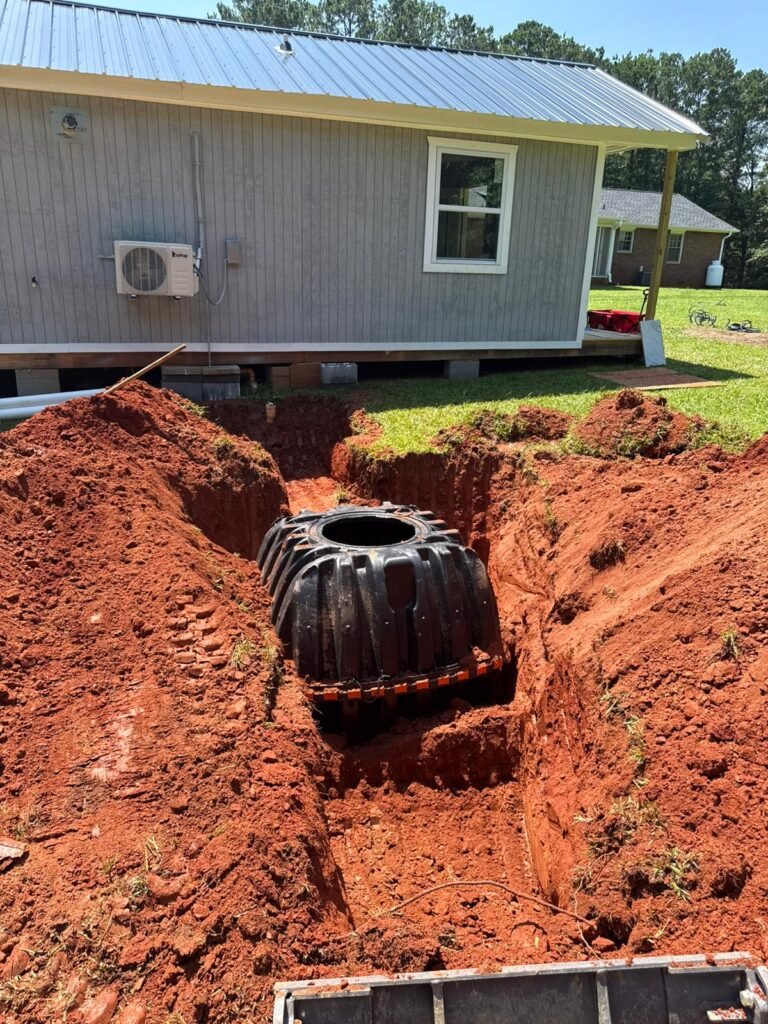
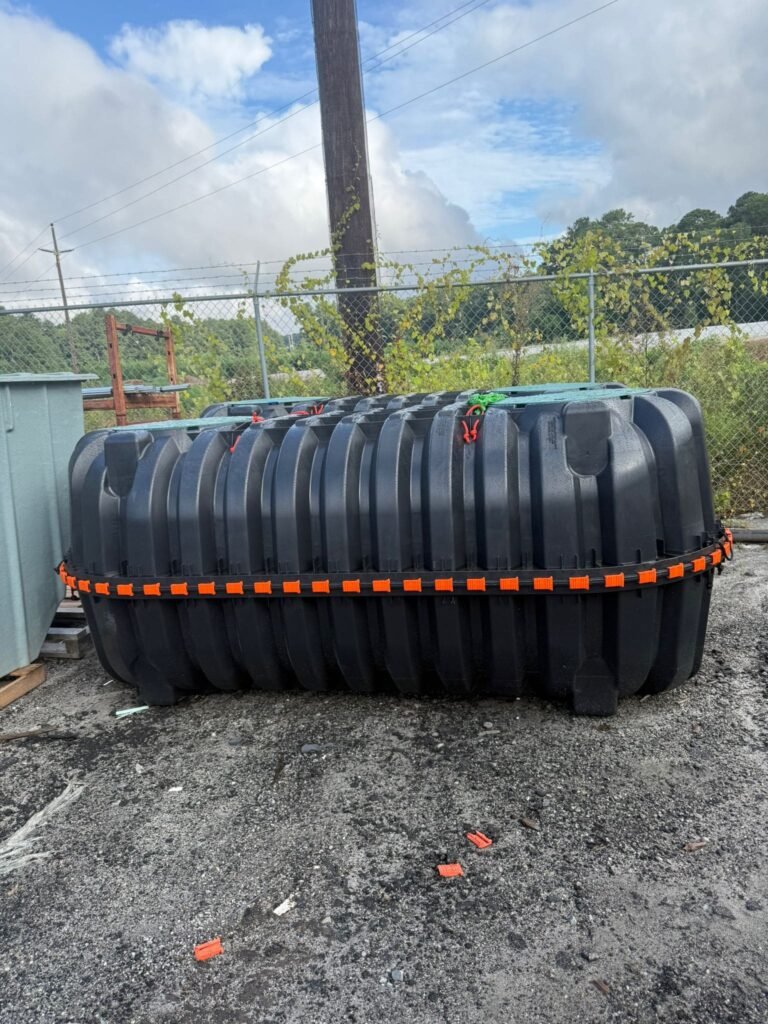
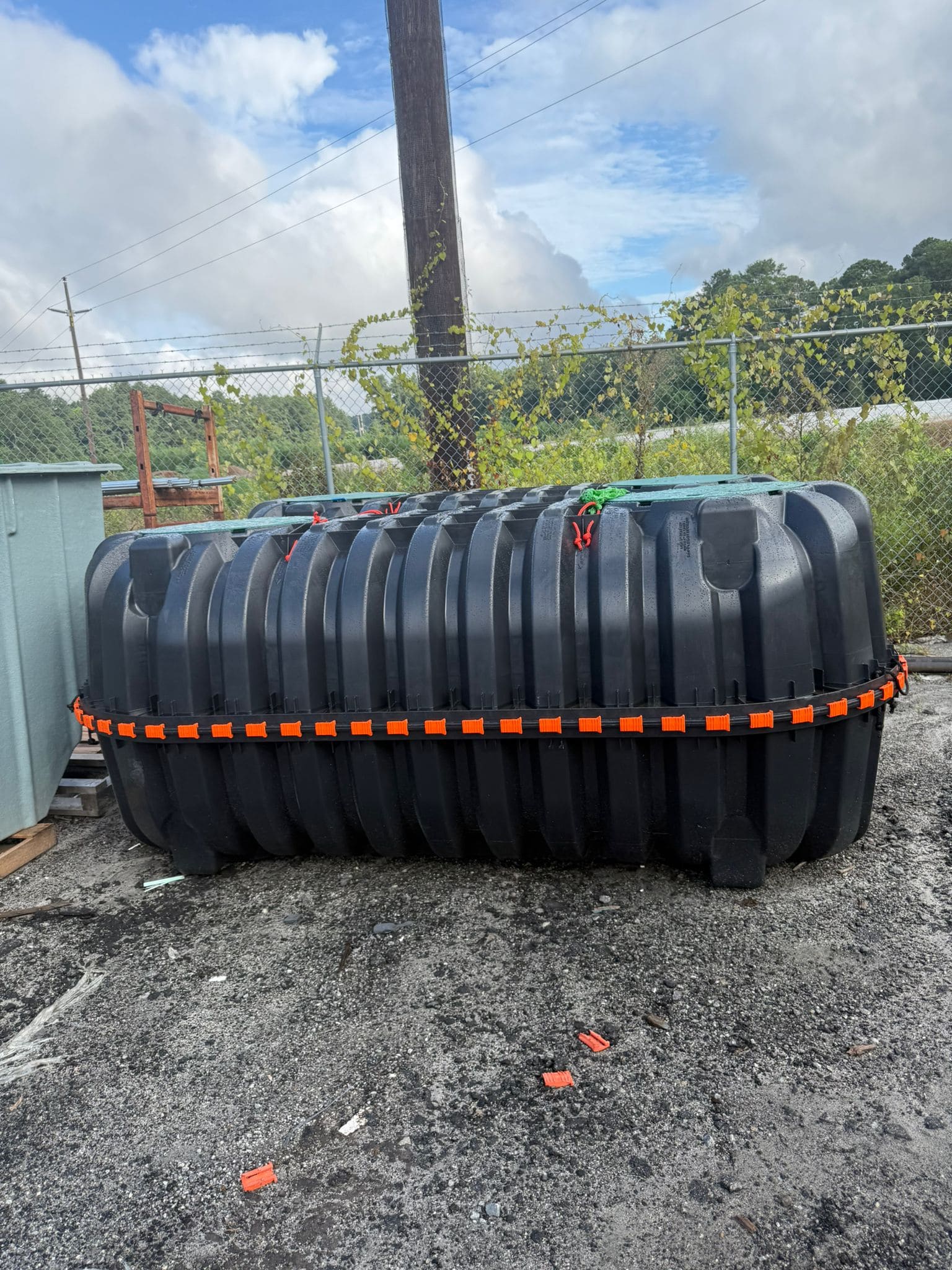
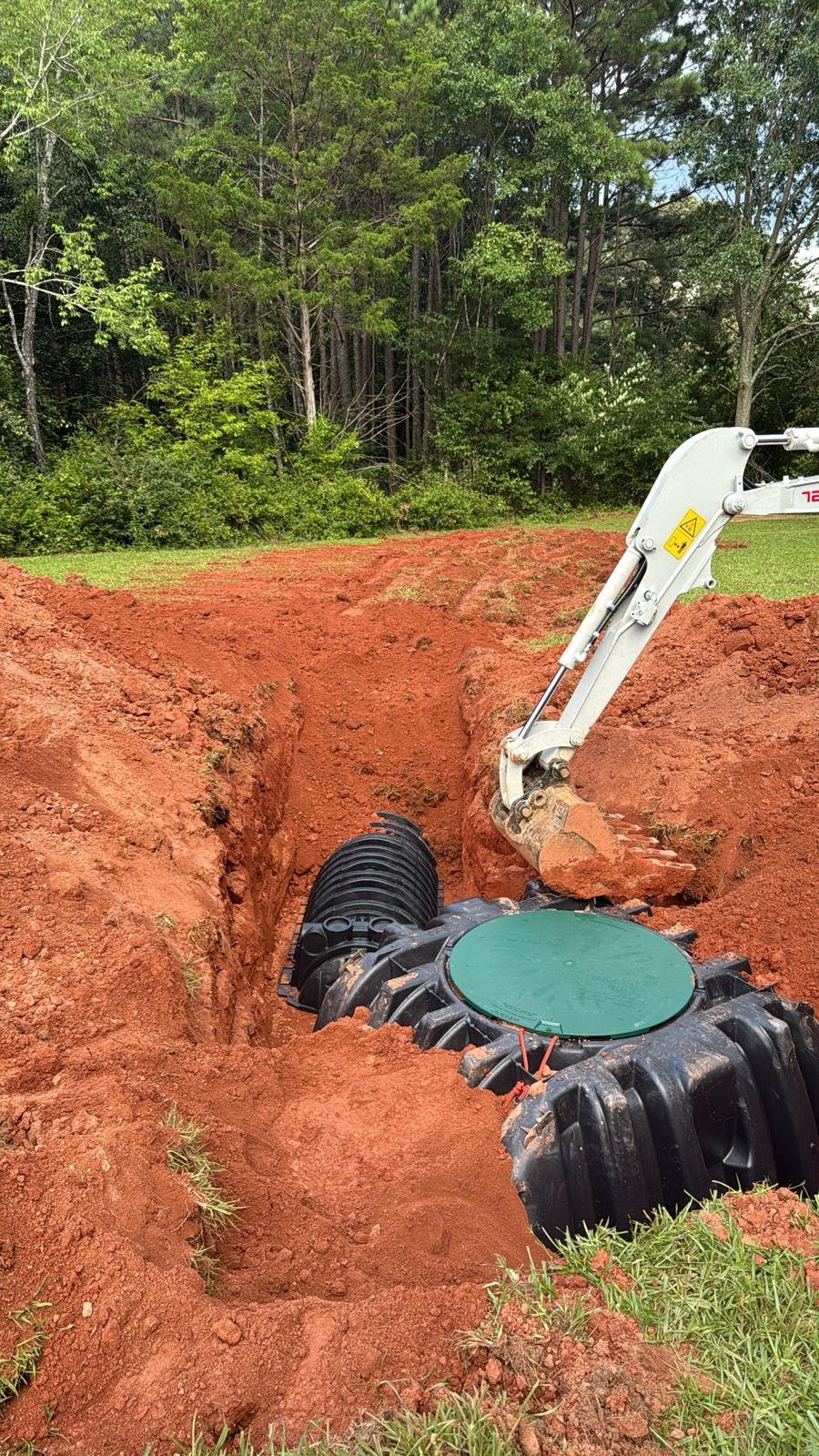
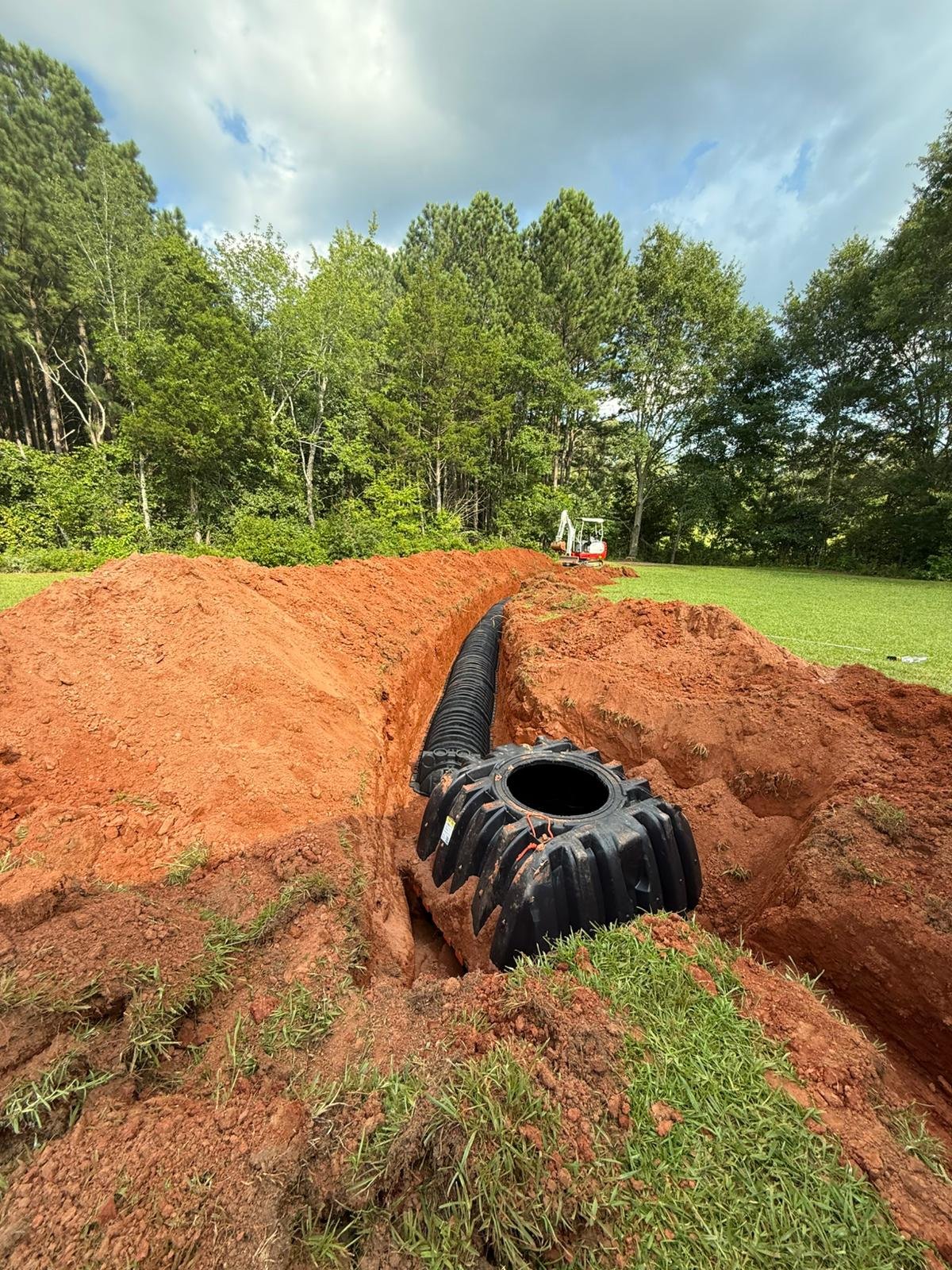
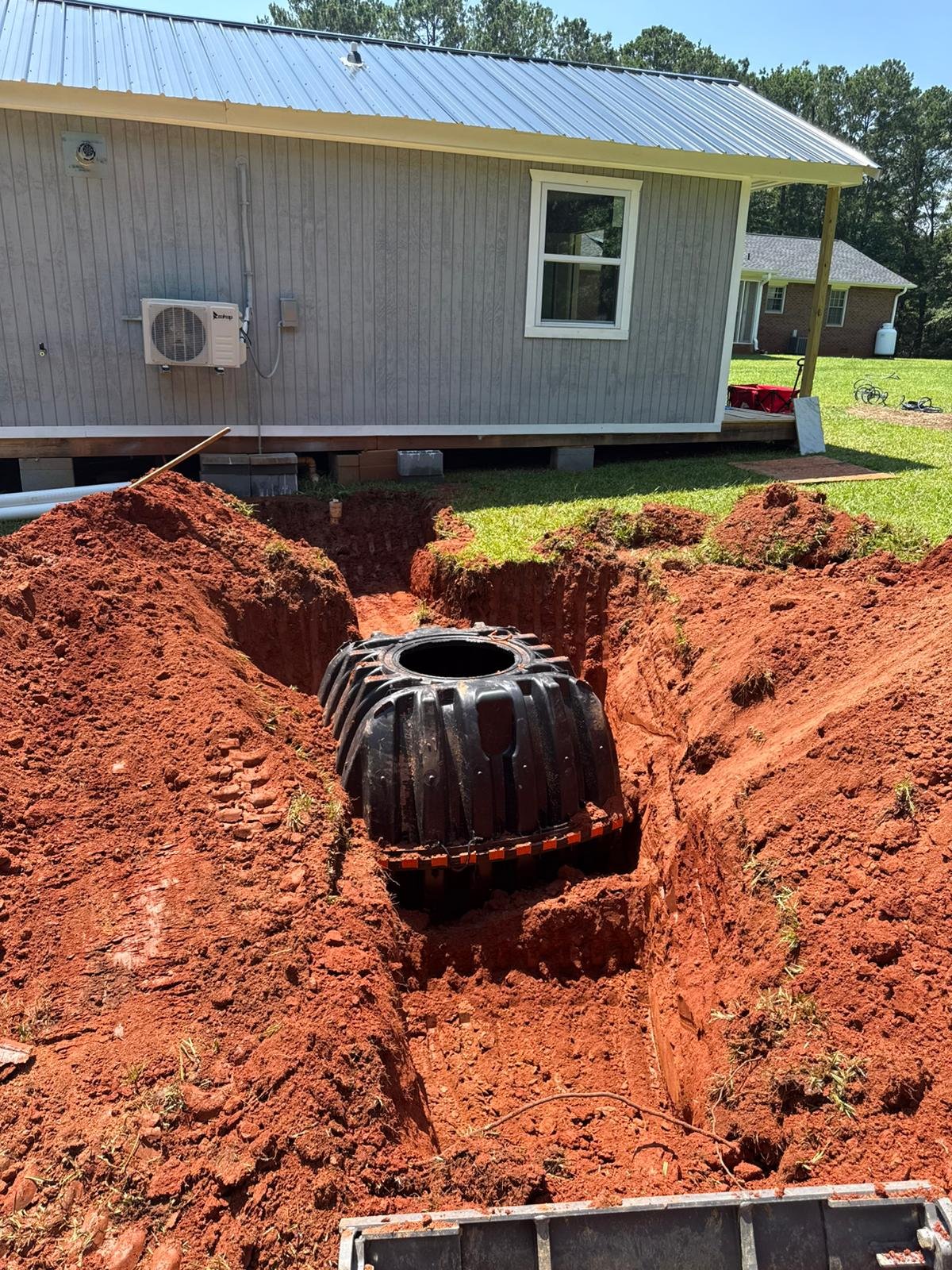
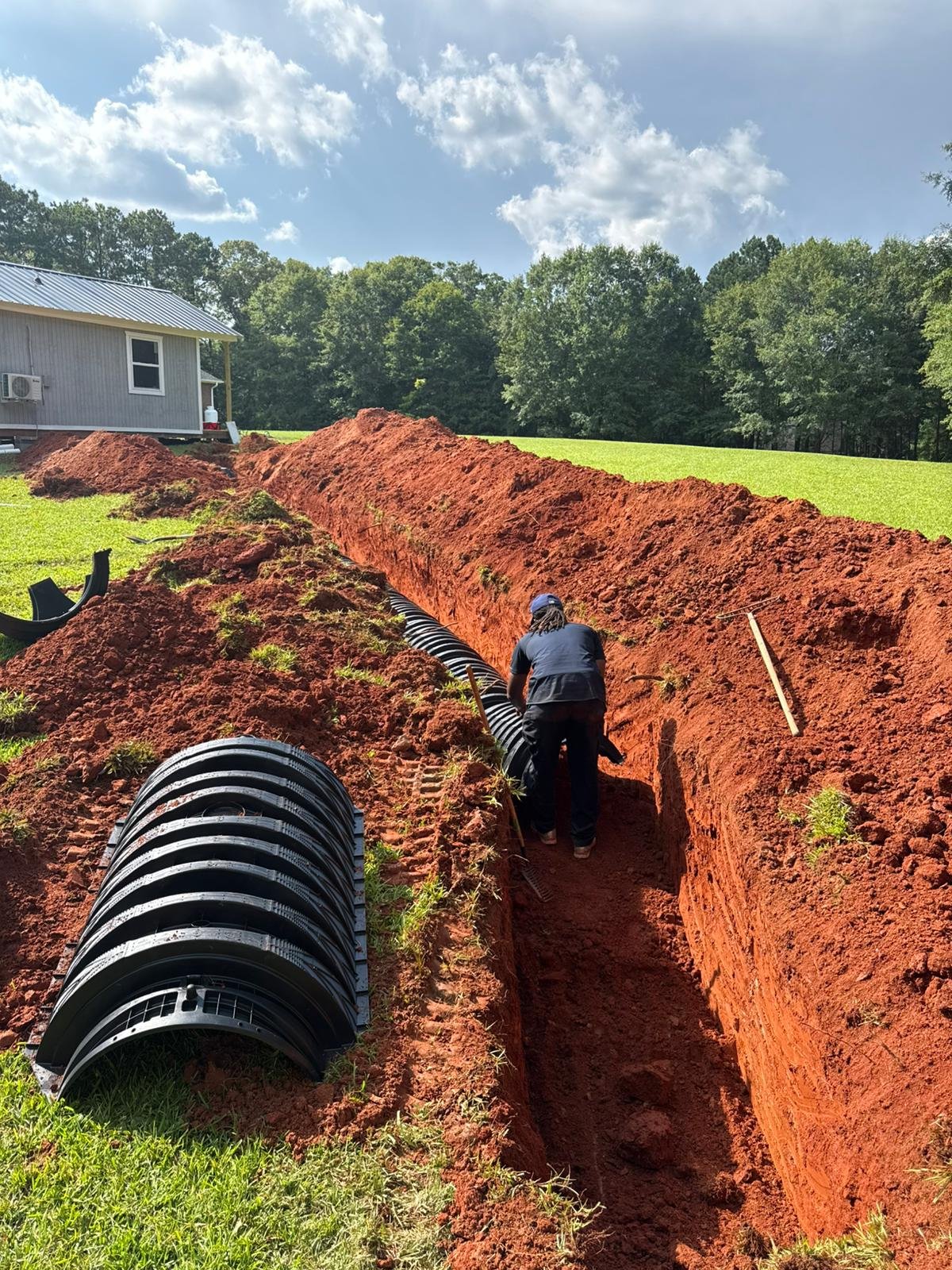
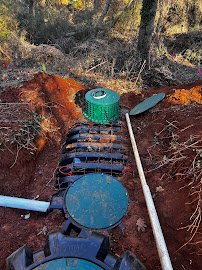
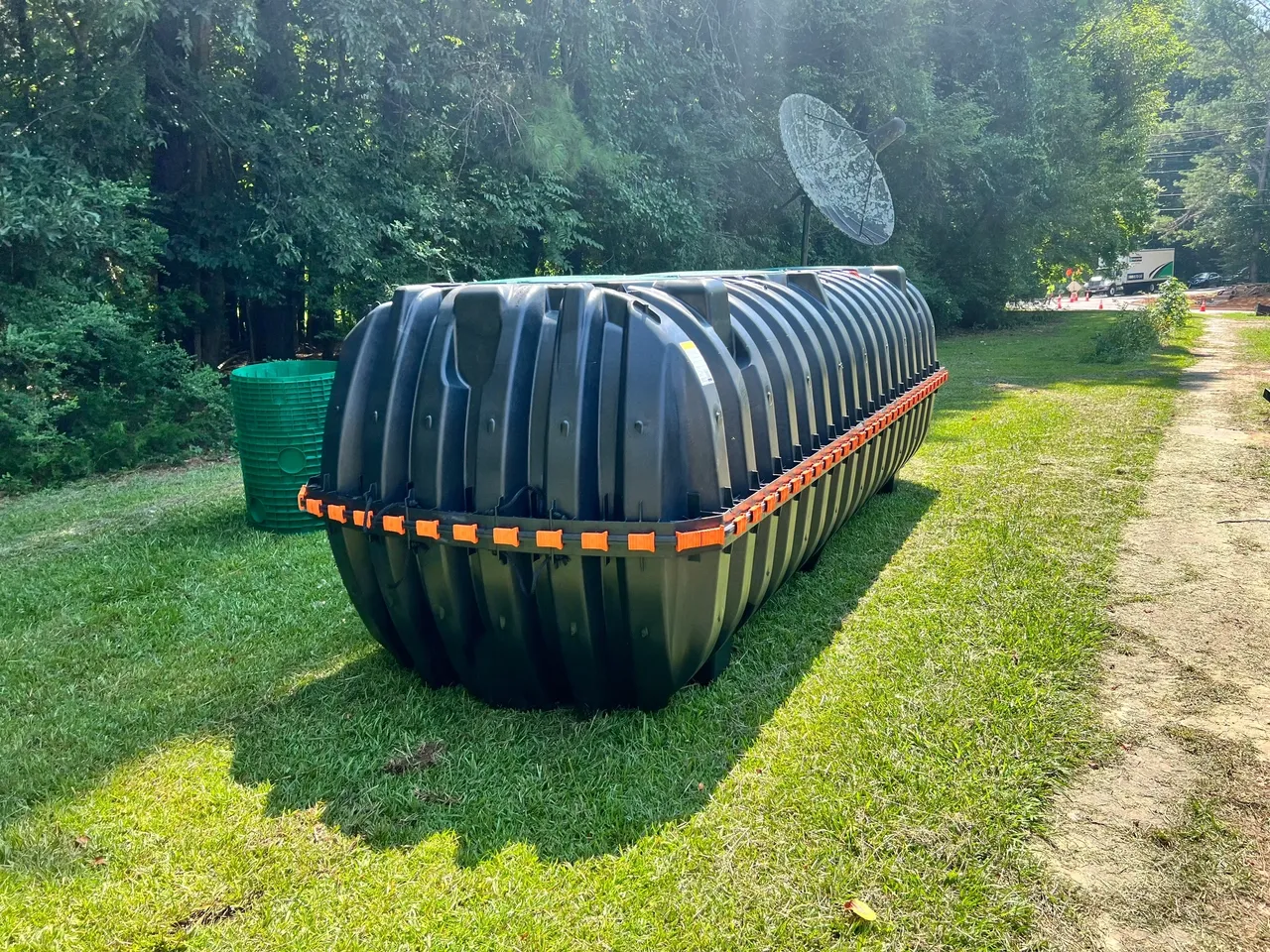
Recent Septic Tank Installation Jobs

Why Georgia Homeowners Choose Septic Tank Guru for Installation
Septic inspections require technical expertise and regional knowledge. Our team understands Georgia soil conditions, permitting standards, and real estate requirements.
Licensed Georgia septic technicians
Advanced diagnostic tools including sewer camera scoping
Transparent, upfront pricing with no hidden fees
Detailed written reports accepted for Metro Atlanta home sales
What Georgia Homeowners Say About Our Installation Work
- Areas We Serve
Septic Tank Installation Service Areas — Metro Atlanta, Georgia
If you're searching for septic tank installation near me in the Atlanta area, we cover all of Metro Atlanta. Below are the counties we serve for new installation, replacement, and drainfield work.
Septic installation in DeKalb County
Decatur · Stone Mountain · Tucker · Lithonia · Clarkston · Avondale Estates · Ellenwood
Clayton County
Jonesboro · Ellenwood · Forest Park · Morrow · Riverdale
Fayette County
Fayetteville · Peachtree City · Tyrone · Brooks
Douglas County
Douglasville · Lithia Springs · Villa Rica
Rockdale County
Conyers
Forsyth County
Cumming
Gwinnett County
Lilburn · Snellville · Lawrenceville · Norcross · Loganville
Cobb County
Smyrna · Marietta · Kennesaw · Acworth
Fulton County
Sandy Springs · Fairburn · Buckhead · East Point
Not sure if we cover your zip code? Call and ask. 30 seconds.
After installation, protect your investment with routine septic tank pumping every 3-5 years. We can schedule your first maintenance visit at the time of installation so it’s already on the calendar.
Frequently Asked Questions — Septic Tank Installation in Georgia
How much does septic tank installation cost in Georgia?
A standard conventional septic tank installation in Georgia starts at $4,400 for a residential property with adequate soil. Drainfield replacement on its own (keeping the existing tank) starts at $8,500. Mound septic systems — required when soil conditions or water tables don't support a conventional drainfield — typically run $10,000-$20,000 depending on site conditions, mound size, and fill material required.The biggest cost variables are soil conditions, county permit fees ($150-$600 depending on your county), tank size (1,000 vs. 1,500 gallon), access difficulty, and whether the existing system requires abandonment. We give you a written quote with full scope before any work begins.
How long does septic tank installation take in Georgia?
The physical installation typically takes 2-4 days for a standard residential system. But the full timeline is longer because of permitting. After the soil test, the county Environmental Health department review takes 2-4 weeks in most Metro Atlanta counties.For new construction, plan for 4-8 weeks total from soil test to installation completion so you don't hold up your certificate of occupancy. If you're replacing an existing failing system, we can sometimes expedite the permit process by explaining the urgency — call us to discuss.
Do I need a permit for septic tank installation in Georgia?
Yes. Every new septic system installation in Georgia requires a permit issued by your county's Environmental Health department before excavation begins. Installing without a permit is illegal and can result in fines, mandatory removal, and difficulty selling the property later. We handle the permit application, coordinate the county site visit, and manage the final inspection. You don't deal with any of the paperwork.
What size septic tank do I need for my Georgia home?
Georgia EPD sets minimum tank sizes by bedroom count. A 1-3 bedroom home requires a 1,000-gallon tank minimum. A 4-bedroom home requires at least 1,250 gallons (we typically recommend 1,500 for comfort). A 5-6 bedroom home requires a 1,500-gallon minimum. If you have a garbage disposal, heavy laundry use, or plan to add bedrooms in the future, we recommend sizing up. The cost difference between a 1,000 and 1,500-gallon tank is modest compared to the cost of a premature drainfield failure from an undersized system.
What if my property has clay soil or a high water table?
Clay soil and shallow water tables are common in Georgia — particularly in Forsyth County, parts of Gwinnett, and North Metro Atlanta. When your soil's percolation rate is too slow for a conventional drainfield, or when the seasonal water table is within a certain depth of the soil surface, Georgia EPD will not approve a conventional system.In these cases, a mound septic system is the standard solution. The drainfield is raised above the natural soil surface using engineered fill to provide adequate treatment depth. We design, permit, and install mound systems throughout Metro Atlanta. Nobody in our area covers this topic more clearly — because most companies just say "we can't help you" when they hit clay soil problems.
Can you install a septic system on a property with a failing drainfield?
Yes. In many cases, the tank itself is still structurally sound — only the drainfield has failed. We assess the existing tank during our site evaluation. If the tank passes inspection, we can do a drainfield replacement only, starting at $8,500, which is significantly less than a full system replacement. If the tank is compromised, we replace everything. We tell you which is the case before you commit to anything.
Do you handle both the septic tank and drainfield installation?
Yes. We install the complete system — tank, all connecting lines, and the full drainfield lateral system. We don't do partial installations that require you to hire a second contractor to finish the job. One crew, one contract, one inspection. We also handle old system abandonment if you're replacing an existing system, so you're not left with an illegal abandoned tank in your yard.
Do I need to be home during the septic tank installation?
You don't need to be home for the physical installation days, but we do ask that someone is available by phone in case we hit unexpected soil conditions or need a decision on a scope change. You or someone you authorize needs to be present for the county inspector's final walk-through — typically a 30-60 minute visit. We'll schedule that inspection around your availability.
Get Your Septic Tank Installation Quoted Today
New construction, failing system, drainfield replacement — we handle the full septic tank installation in Georgia from the first soil test to the county sign-off. DPH-certified crew, written quotes, 1-year warranty, and 13+ years serving Metro Atlanta. Call or submit a quote request and we'll follow up same day.
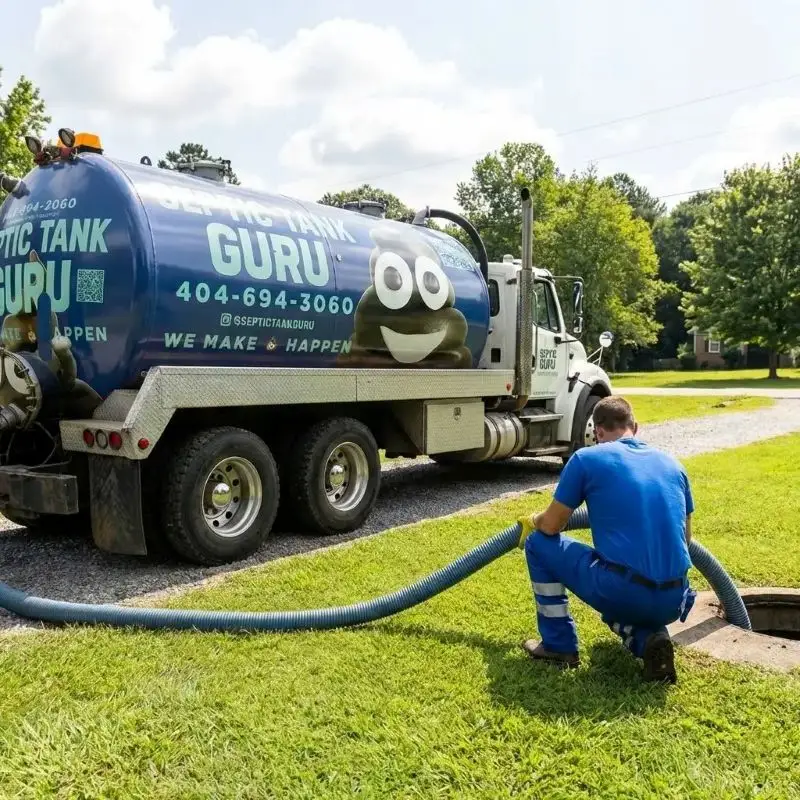
Related Septic Services
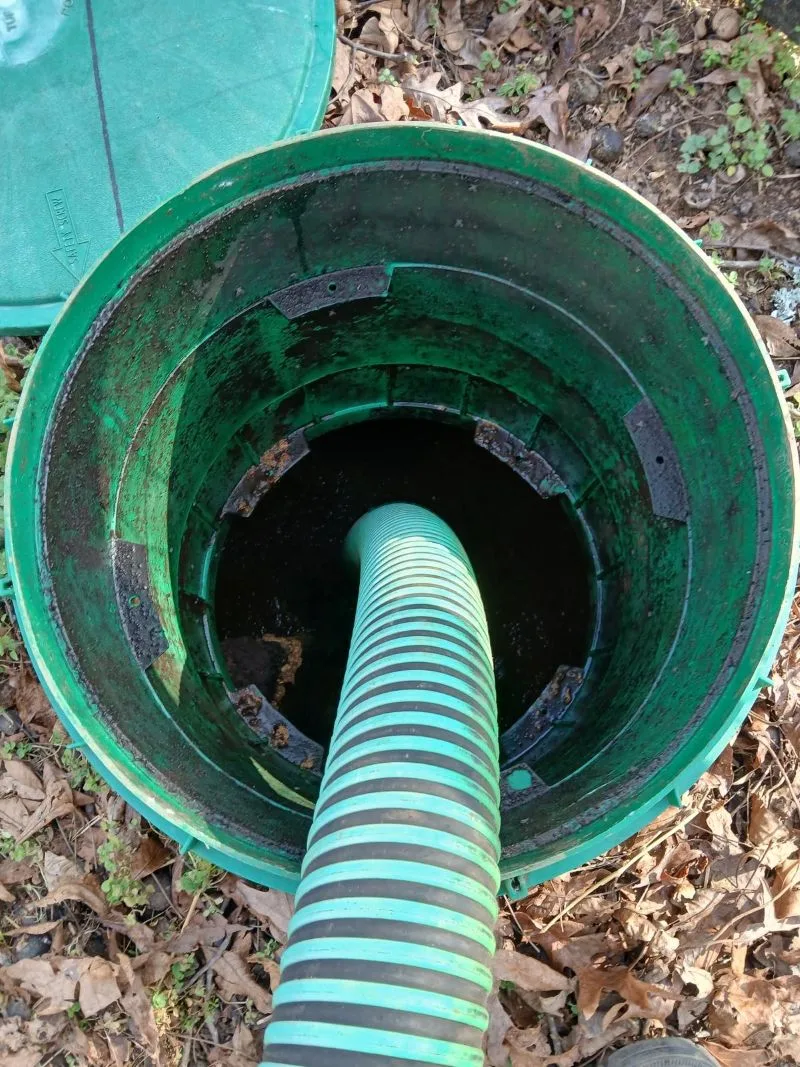
Septic Tank Pumping
Maintain safe sludge levels to prevent solids from entering your new drain field.

Commercial Septic Repair
High-capacity solutions for Atlanta business owners.
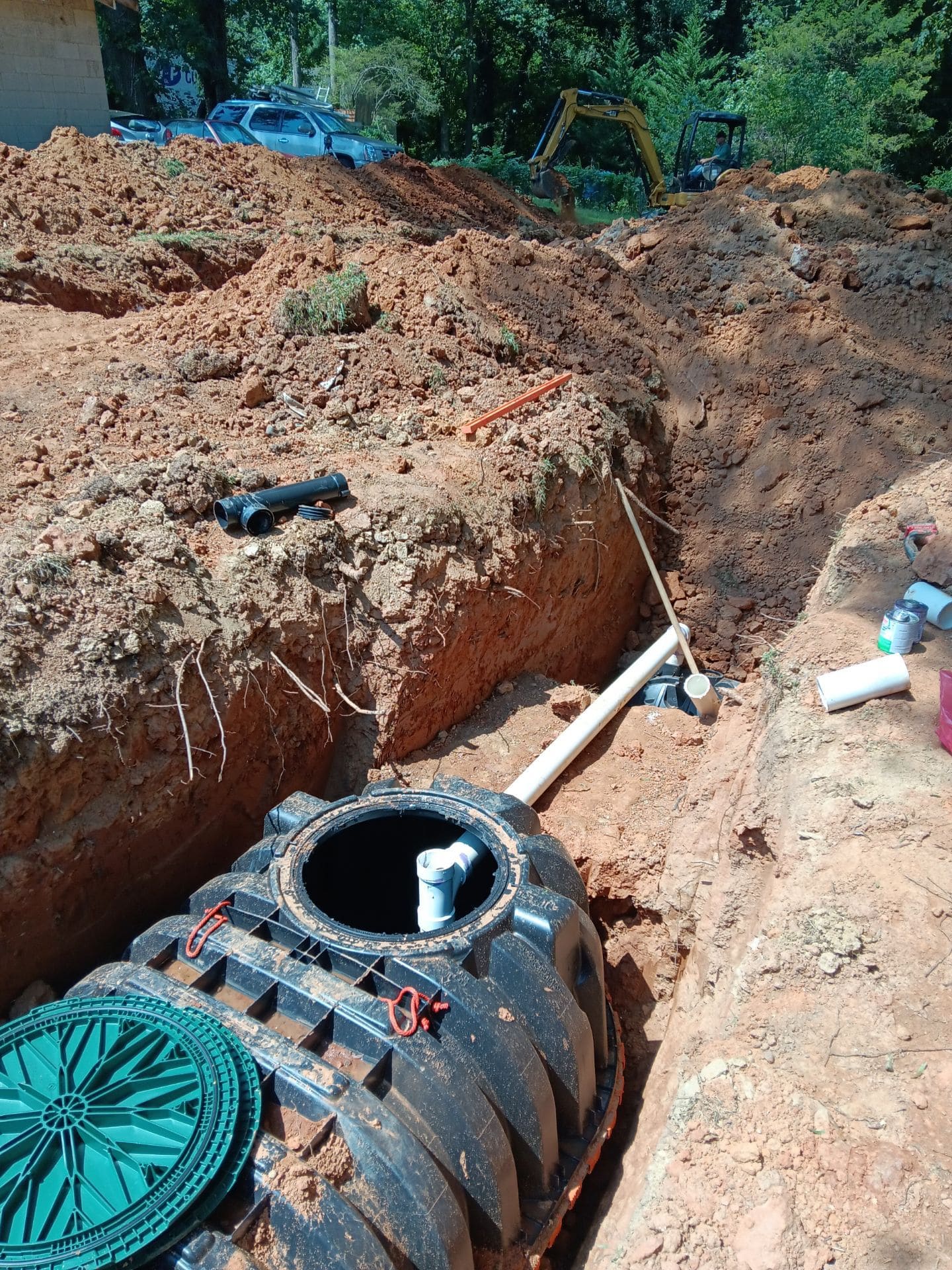
Septic Tank Installation
From site permits to soil testing, we install modern, high-efficiency septic systems designed to last for decades and meet all local Georgia codes.