
Homeowner’s Guide to Septic Tank Pumping in Georgia
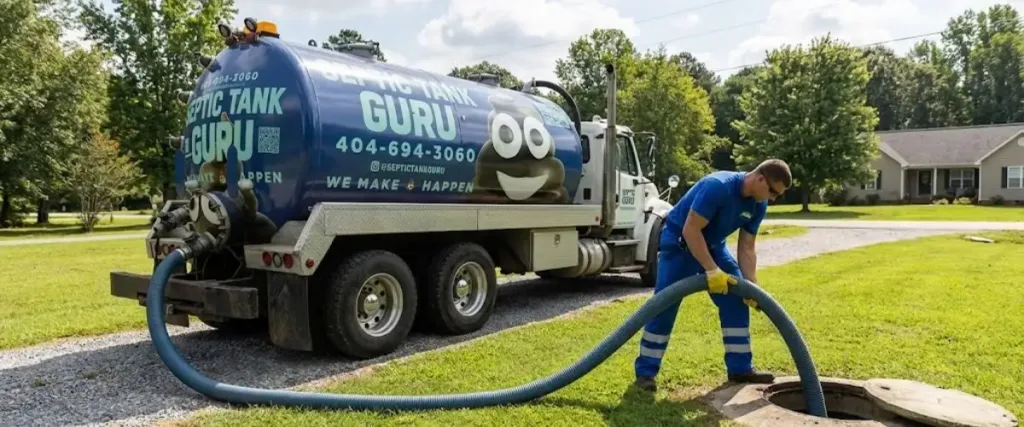
If you own a home in Metro Atlanta or surrounding Georgia counties, your septic system plays a major role in protecting your property. After serving thousands of homeowners across Fulton, DeKalb, Cobb, Gwinnett, and nearby counties, we’ve created this guide to help you understand septic tank pumping costs, warning signs, and when professional service is needed.
Septic Tank Pumping Costs in Georgia
How much does septic tank pumping cost in Georgia?
In the Metro Atlanta area, septic tank pumping typically costs between $300 and $600, depending on tank size, accessibility, and waste level. Pricing may vary slightly in counties such as DeKalb, Cobb, Gwinnett, and Fulton based on site conditions and travel distance.
What is the average cost to pump a 1,000-gallon septic tank?
For most Georgia homes, pumping a 1000-gallon septic tank costs around $350–$500. Pricing can increase if the tank is buried deep or requires extra labor to uncover.
Are there affordable septic tank pumping services near me?
Yes. Local companies like Septic Tank Guru offer affordable septic pumping services across Metro Atlanta, including Clayton, Henry, and Rockdale counties, with transparent pricing and no hidden fees.
How Often Septic Tanks Should Be Pumped
How often should a septic tank be pumped?
Most residential systems in Atlanta Georgia should be pumped every 3 to 5 years. Homes with larger families or frequent water use may need service sooner to prevent backups.
How often should a 1000-gallon septic tank be pumped?
A 1000-gallon septic tank should typically be pumped every 3 to 4 years, especially in Atlanta-area homes with 3 to 4 bedrooms.
Signs Your Septic Tank Needs Pumping
What are the signs a septic tank needs pumping?
Common signs include slow drains, sewage odors, gurgling toilets, wet spots in the yard, and water backing up into tubs or showers. These symptoms usually mean the tank is full and needs immediate service.
What happens if a septic tank is not pumped on time?
Delaying pumping can lead to sewage backups, drainfield damage, foul odors, and costly repairs. In many Georgia homes, untreated overflow can also contaminate soil and groundwater.
Emergency Septic Tank Pumping in Metro Atlanta
Do you offer emergency septic tank pumping near me?
Yes. Emergency septic tank pumping services are available across Metro Atlanta when backups, overflows, or strong odors occur. Fast response helps prevent property damage.
Professional Septic Tank Pumping Services in Georgia
Who provides septic tank pumping services in Metro Atlanta?
Septic Tank Guru provides professional septic pumping services across Fulton, DeKalb, Cobb, Gwinnett, Henry, Fayette, and surrounding counties, backed by over 13 years of local experience.
How do I choose the best septic tank pumping company near me?
Look for a company with local experience, proper licensing, clear pricing, strong customer reviews, and knowledge of Georgia soil conditions. Established local providers typically deliver better long-term results.
Should I schedule septic tank pumping before problems start?
Yes. Routine septic pumping prevents emergencies, protects your drainfield, and helps homeowners avoid unexpected repair costs common in older Atlanta-area systems.
Can heavy rain cause a septic tank to fill up faster?
Yes. In many Metro Atlanta neighborhoods, heavy rainfall can saturate the soil around the septic system, preventing wastewater from draining properly. When the drainfield cannot absorb water, the septic tank fills faster than normal, often leading to slow drains, odors, or backups. This is especially common in Georgia’s clay-heavy soil.
Does septic tank pumping remove all waste from the system?
Septic tank pumping removes liquid waste, sludge, and floating solids from the tank, but it does not repair damaged pipes or drainfield issues. Pumping restores proper tank capacity, but if problems continue afterward, a professional inspection may be needed to identify underlying system failures.