
Quick Answer
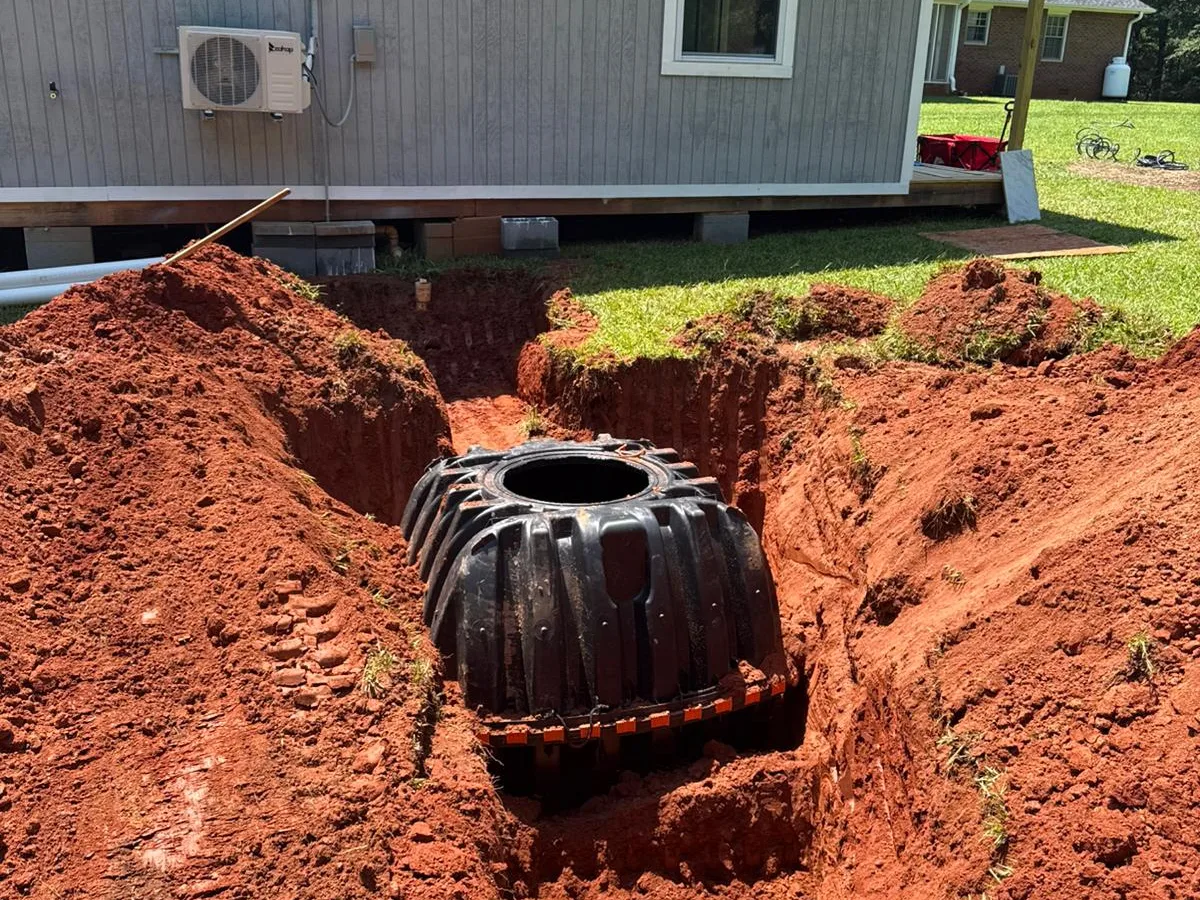
Two lots at the same asking price can need very different septic systems. One starts around $14,000. A steep or poor-soil lot can need $20,000 to $30,000 or more.
So get a perc test before buying land. Do it inside your due diligence period, while you can still back out or renegotiate.
A land listing can’t show you what’s under the grass. The soil decides which septic system the county will allow. That system decides what the lot really costs to build on.
Our perc test in Atlanta GA service books the soil scientist for you. Then we bring the report back and go over it with you.
If you’re under contract, your due diligence clock is already running. Book early.
Is a perc test before buying land worth it?
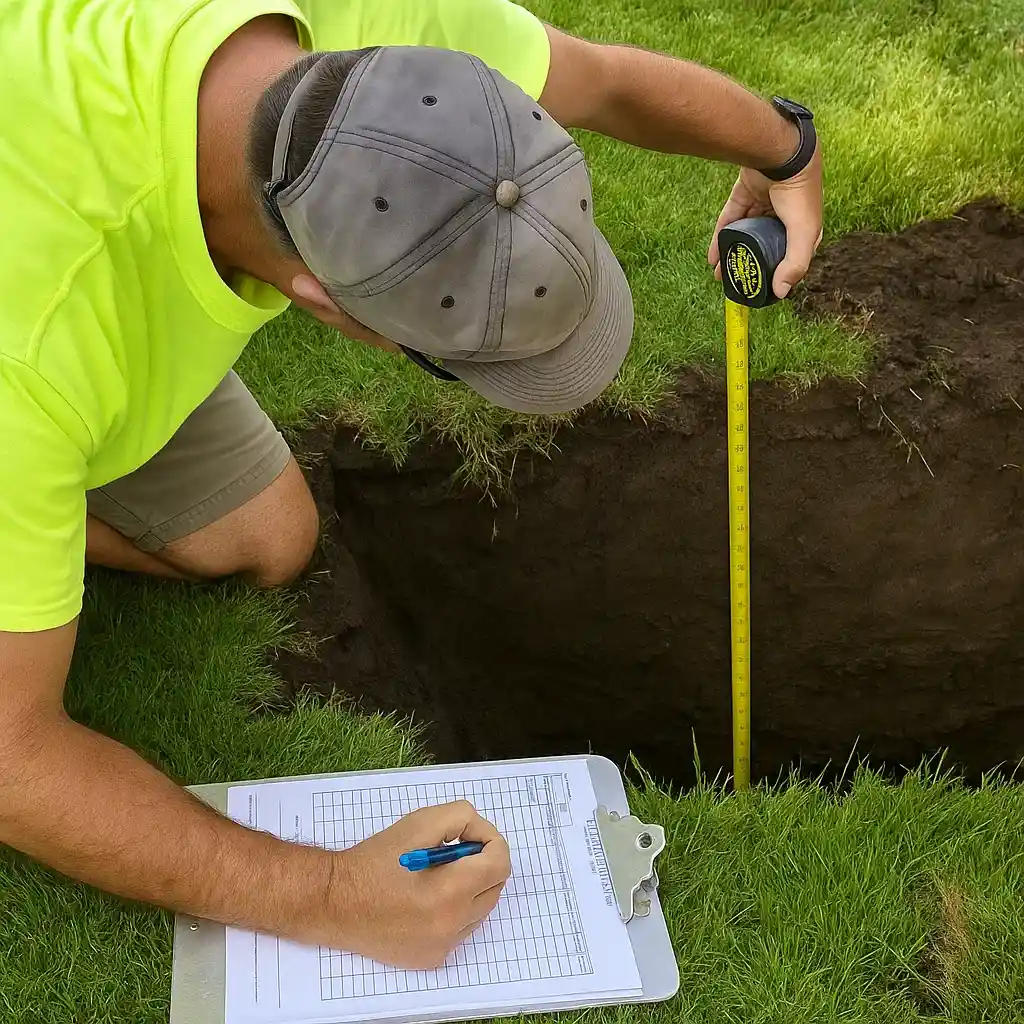
For most buyers, yes. A soil test that starts at $650 is small money next to the lot and the septic system after it.
We booked a soil test on a lot in Hampton, in Henry County. The lot sat on a slope, and the soil was poor.
It wasn’t suitable for a standard system. A system there would likely cost $20,000 to $30,000 or more.
For a family building their own home, that can still work. For this buyer, it didn’t. The plan was to flip the lot, and that system cost would have eaten the profit.
The test caught it before the purchase, not after. That’s the whole reason to test first. You learn what the land really costs while you can still change the deal.
Before you budget for it, know why the price you found online may not fit Georgia.
Why don’t online perc test prices match Georgia?
Most national cost sites price a classic perc test. Someone digs a few holes, fills them with water and times how fast it drains.
Georgia doesn’t issue a septic permit off that alone. The Georgia DPH On-Site Sewage Management program calls for a full soil report.
That report looks at the soil layers and how deep water and rock sit. Drain speed is only one part of it.
So when a buyer calls us for a perc test, the soil test is what we book. It’s the report your county needs anyway. You don’t pay for both.
Our septic soil testing and permits service lists current pricing and every step to permit. The bigger question for a buyer is what the report says about the lot.
Under contract on a lot? Call us now.
The soil scientist usually visits about 2 weeks after payment. The sooner you book, the more room your deal has.
What does the soil report tell a land buyer?
It isn’t a pass or fail grade. You get a picture of the ground where the house and drainfield will go.
The report lists the soil types in the test area. From there, it shows what kind of system the soil can hold under county rules.
Deep soil that drains well can usually take a standard system. Shallow rock or a high water table can mean an engineered design. So can a steep slope.
Results reach us 3 to 5 business days after the visit. We go over them with you before your due diligence window closes. That system type is where the real money sits.
How can the results change what the land costs you?
A new septic system from us starts around $14,000. Some sites come in a little lower. That’s the number to plan around when the report allows a standard design.
Our septic installation crew then builds what the county approves.
Steep lots and poor soil change the math. They can need an engineered system, such as an Eljen. That usually runs $20,000 to $30,000 or more.
Our septic system engineering team designs it when the report calls for one.
Now add that to your offer. A bargain lot can stop being one once the system cost is in.
Before you trust anyone with your deal, read what our customers say.
What do metro Atlanta property owners say about their septic company?
“Very satisfied with the service they gave on my property. They explained everything very well. Would definitely recommend them.”
Fraz Khawaja, Google review
“Great service, communication, and price. 10 out of 10.”
Barbara Rexach, Google review
“Great service and experience. Highly recommended.”
Sean McClenaghan, Google review
Rated 5 stars by homeowners across metro Atlanta.
How do you fit a perc test into your land contract?
Time is the tight part. If your contract has a due diligence window, the soil work has to land inside it. This is what we tell buyers.
- Get the seller’s written okay before anyone digs. It’s still their land until closing.
- Mark where the house and drainfield will go, so the test covers that spot. On big rural tracts in Douglas and Fayette counties, this matters even more.
- Book the day you sign. The visit is usually about 2 weeks after payment. Results follow 3 to 5 business days later.
- Short on time? We can move the visit up for $100 per day to meet a closing date.
Heavy spring rain from March through May can leave a lot too wet to dig. If your window falls then, build in a few spare days.
We list every step to permit next to our soil test and septic permit prices. Match those steps to your contract dates before you sign.
Sometimes, though, the seller hands you a report before you even ask.
What if the seller already has a soil report?
That can save you a step. There’s no set expiration date on a soil test. One done on the property in the last 6 months is generally good.
If it’s older, we check with your county before you rely on it. Same if the lot was graded after the test. Moving dirt can change what a soil scientist would find.
Send it to us before your window closes. Call 404-694-3060 and we’ll tell you where it stands.
Not sure what the report means? We can help.
We read the report with you and price out the system your lot will likely need.
Is the land worth it for a flip or for a home?
It depends on how long you’ll own it. A family building to live there for years can often absorb a $20,000 to $30,000 system. The cost spreads over the life of the home.
A flipper can’t do that. Every dollar of septic cost comes out of the resale margin.
That’s what happened with the Hampton lot. Same soil, two very different answers, depending on who was buying.
Tell us your plan when you book. We’ll read the report with your goal in mind. For the full build budget, we break down new septic system cost across metro Atlanta.
If the lot works for you, we can build it too. Our septic installation in Atlanta GA team takes it from permit to finished system.
When should you call about a lot you’re buying?
Call us today if any of these fit.
- You’re under contract, and your due diligence window is already counting down.
- Your closing is too close for a 2-week wait. Ask about the $100 per day expedite.
- The lot is steep or stays wet after rain.
- The seller’s soil report is more than 6 months old.
It can wait a week or two if one of these fits.
- You’re still comparing lots and haven’t made an offer.
- You haven’t picked the house spot yet. Pick it first, so the test covers it.
Frequently asked questions about a perc test before buying land
Who pays for a perc test when buying land?
Whoever orders it, and your contract can spell that out. On raw land, the buyer usually orders the test during due diligence. That way the test covers the spot you picked for the house. We give you the exact price before anything is booked.
Can the seller refuse a perc test?
Yes. It’s still the seller’s land until closing, and the test means digging. That’s why we ask for written permission first. If a seller won’t allow any soil testing, think hard before you buy. Without it, you won’t know the system cost. It could start around $14,000, or run $20,000 to $30,000 or more.
Should I make my offer contingent on the soil test?
Ask your agent or closing attorney about the contract wording. That part is theirs. Our part is the timing. The soil scientist usually visits about 2 weeks after payment. Results take 3 to 5 business days after that. Give your contract room for both, or plan on the $100 per day expedite.
Do I need a perc test if the land already has a house with septic?
Usually not. A perc test is for a new system and its permit. A home that already has septic needs a septic inspection instead. Ours starts at $475. It shows the condition of the tank and drainfield before you buy. That way a repair bill doesn’t surprise you after closing.
Can I build if the report says the lot needs an engineered system?
In many cases, yes. It just costs more. Steep or poor-soil lots can need an engineered system, such as an Eljen. That usually runs $20,000 to $30,000 or more. Our team designs it and installs it once the county approves. We walk through your septic options when the soil report limits your lot.
Which areas do we cover for soil tests on land?
We book soil tests for land buyers across metro Atlanta. We’ve worked as far south as Hampton in Henry County. New homes keep going up on raw land in Forsyth, Douglas and Fayette counties, and we cover all three. Call 404-694-3060 with the address to confirm.
Found a lot you like? Call before you close.
We book the soil test and read the report with you while your deal is still open.