
Quick Answer
A failed perc test means the soil cannot support a conventional gravity drainfield, not that you cannot build at all. Georgia permits mound systems, ATU systems, LPP systems, and drip dispersal on land that failed the perc test.
If your soil failed the perc test in metro Atlanta, your next step is hiring a Georgia-licensed engineer to design an alternative system for your property.
We get this call regularly from homeowners building in Gwinnett County and Forsyth County. The soil classifier runs the Level 3 survey, and the result comes back: your soil failed the perc test. Most people assume that means they cannot put a septic system on their property. That is not true. A failed perc test in metro Atlanta means a conventional system will not work. But alternative systems exist, and Georgia permits them. We work with homeowners across metro Atlanta to get the right septic installation on land that won’t perc. Here is what you need to know about your options, costs, and next steps. You can also browse our full septic blog for more guides.
What does it mean when soil fails a perc test for septic in metro Atlanta?
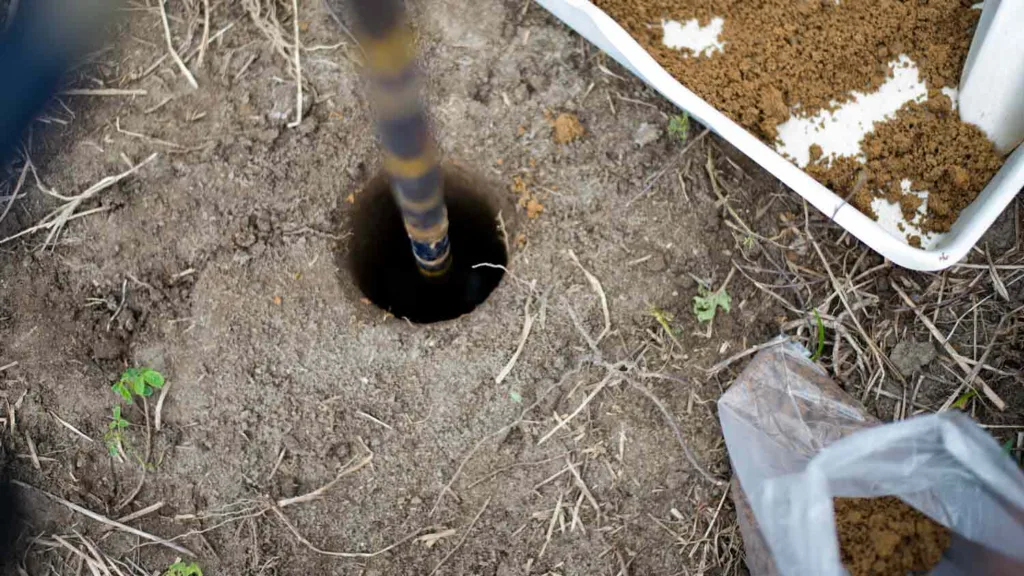
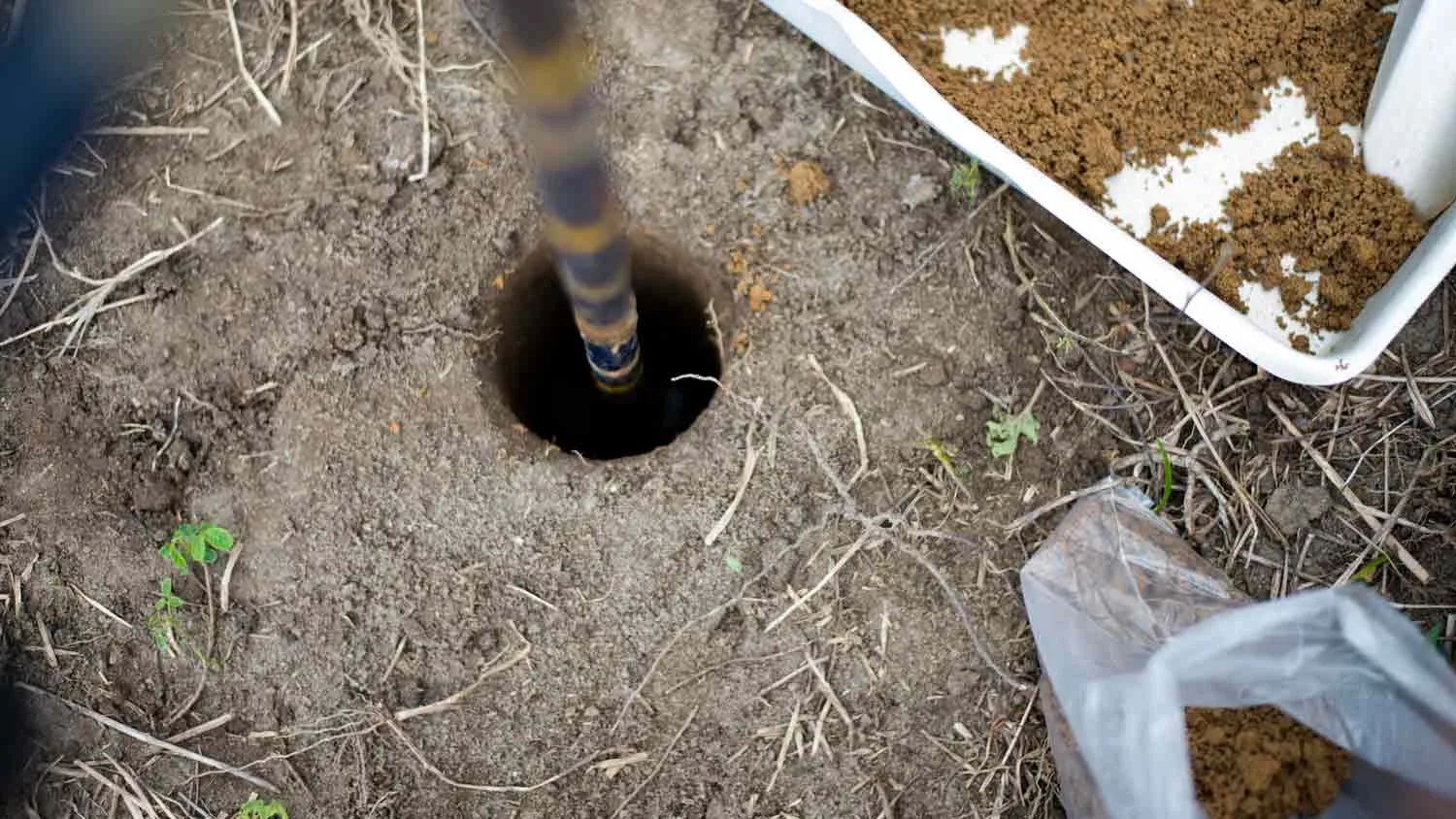
A perc test measures how fast water drains through your soil. In Georgia, a DPH-certified soil classifier runs this test. It is a third-party professional, not us. The classifier digs test holes and measures how many minutes per inch the water drops.
If water drains too slowly, a conventional gravity drainfield cannot process wastewater safely. The effluent would pool at the surface. If water drains too fast, contaminants reach the groundwater before the soil can filter them.
In metro Atlanta, the number one reason for failed perc tests is Piedmont red clay. We see it constantly in Gwinnett County and Forsyth County, where the clay holds water instead of letting it pass through. After a wet spring, the clay gets even more saturated, and failure rates go up. A few weeks ago we had a homeowner in Cumming who got a failed result after three days of rain. The soil classifier told him to wait and retest in a drier month. That alone saved him from jumping straight to an alternative system.
A failed perc test does not condemn your lot. It tells you what kind of system you need. Our soil testing and septic permits guide covers the full testing process and what each result means.
Can I still build a septic system if my soil fails the perc test?
Yes. You can still build. Georgia law permits alternative septic systems on land that failed the perc test. The Georgia DPH On-Site Sewage Management program regulates these systems at the county level.
The path forward requires an engineered design. A Georgia-licensed professional engineer (PE) evaluates your soil data, designs a system that works with your conditions, and submits stamped drawings to the county health department. Once approved, a licensed installer builds it.
We handle septic installations across metro Atlanta and coordinate with engineers on alternative system builds. The process takes longer and costs more than a conventional install. But the result is a fully permitted, code-compliant system on land that otherwise would sit empty.
If you are buying property in Fulton County and the perc test has already failed, our guide to getting a septic permit in Fulton County walks through the full permit application after an engineered design is approved.
Soil failed the perc test? Call us now.
We serve Gwinnett, Forsyth, Cobb, and all metro Atlanta counties. We can help you figure out next steps.
What alternative septic systems work on land that failed the perc test in metro Atlanta?
Georgia permits four main alternative system types when soil fails the perc test. Each one handles the drainage problem differently. The right choice depends on your soil data, lot size, and slope.
Are mound systems a good option for clay soil?
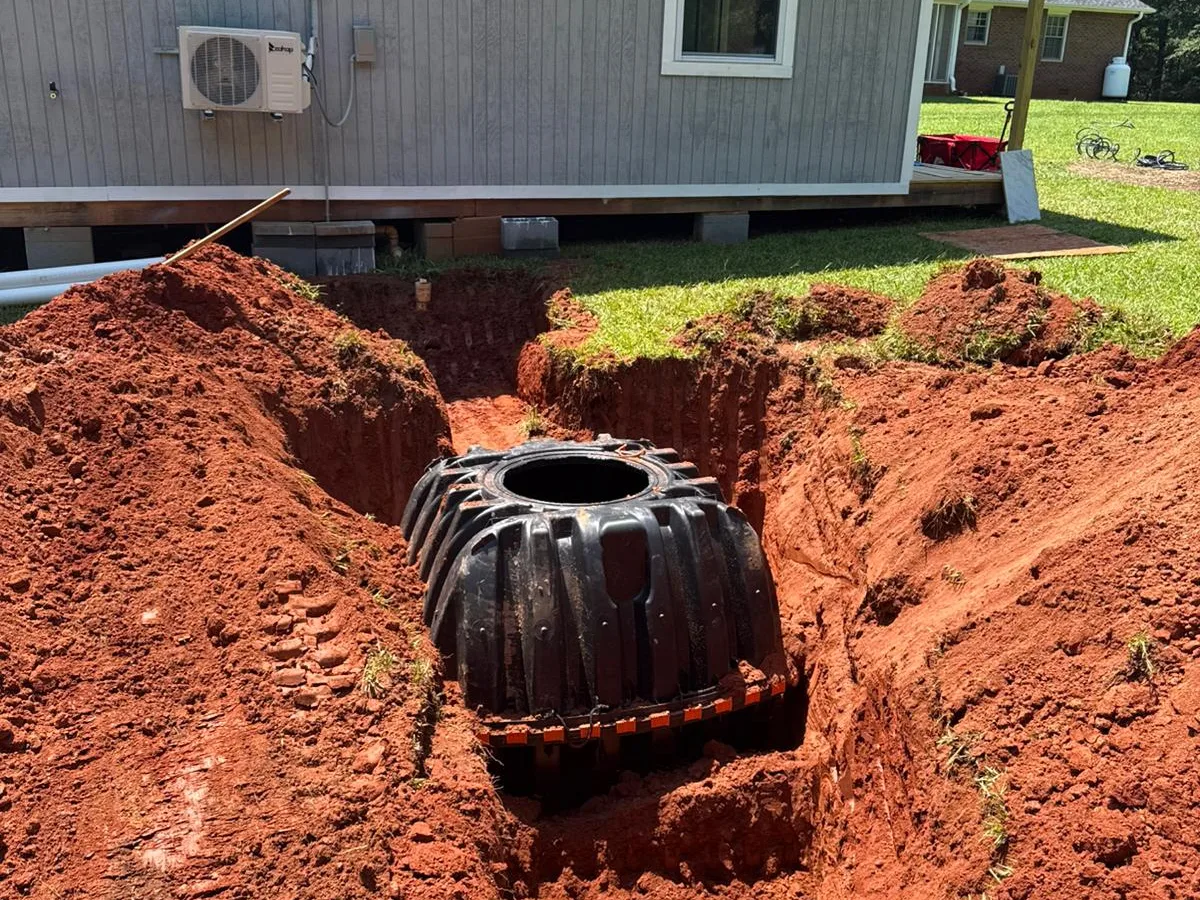
A mound system builds an elevated drainfield above the natural soil. Sand and gravel are hauled in and shaped into a mound. Wastewater pumps up into the mound, filters through the engineered fill, and disperses into the ground below. We see mound systems regularly on properties in Forsyth County and north Gwinnett where the clay layer starts close to the surface. They work well but take up space. Installed cost runs $12,000 to $25,000.
How do ATU systems treat wastewater differently?
An aerobic treatment unit (ATU) uses air pumps to grow bacteria that break down waste inside the tank. The treated water comes out cleaner than a conventional tank, so it can disperse into soil that would otherwise fail. ATUs work on tighter lots and are common in Cobb County septic installations where lot sizes limit mound footprints. Installed cost runs $10,000 to $20,000. ATUs need quarterly maintenance and use electricity.
What is a low-pressure pipe (LPP) system?
LPP systems use small-diameter pipes to spread wastewater evenly across a wider area. The pump pushes effluent at low pressure through the network. This gives the soil more contact time. LPP is often the most affordable alternative. Installed cost runs $8,000 to $15,000. We install these frequently in Douglas County and Fulton County on larger rural lots.
When does drip dispersal make sense?
Drip dispersal is the most advanced option. Highly treated effluent is distributed through drip tubing buried just below the surface. It works on the tightest lots and the most difficult soils. Installed cost runs $15,000 to $30,000. We see drip systems mostly on high-value properties where lot constraints leave no other choice. The engineering is complex and the maintenance schedule is strict.
Our septic system engineering page breaks down how each of these systems gets designed and permitted.
How much more does an alternative system cost after a failed perc test?
An alternative system costs significantly more than a conventional one. Here is how the numbers compare in metro Atlanta.
| System type | Installed cost | Who pays this? |
|---|---|---|
| Conventional gravity system | $5,000 to $10,000 | Homeowner (installer fee) |
| LPP system | $8,000 to $15,000 | Homeowner (installer fee) |
| ATU system | $10,000 to $20,000 | Homeowner (installer fee) |
| Mound system | $12,000 to $25,000 | Homeowner (installer fee) |
| Drip dispersal | $15,000 to $30,000 | Homeowner (installer fee) |
| Engineering design | $1,500 to $3,000 | Homeowner (engineer fee) |
| Second Level 3 soil survey | $400 to $800 | Homeowner (third-party soil classifier) |
The engineering design fee is separate from the installation cost. You pay the engineer directly. That $1,500 to $3,000 covers site analysis, system selection, and stamped drawings for the county.
Properties in Gwinnett County on red clay often land at the higher end of each range. The clay requires more engineered fill and deeper excavation. Properties in Forsyth County have the same issue. The soil conditions drive cost more than the system type alone.
We break down perc test costs county by county across metro Atlanta in a separate guide if you want to understand the testing side of the expense.
This is fixable. Call us today.
We install alternative septic systems across Gwinnett, Forsyth, Cobb, Fulton, and Douglas counties.
Can I request a second perc test from a different soil scientist?
Yes. You can hire a different DPH-certified soil classifier and pay for a new Level 3 soil survey. This is a third-party fee of $400 to $800, paid directly to the soil classifier.
A second opinion makes sense when your property is borderline. Soil conditions vary across even a single lot. One classifier might test in a spot with heavier clay. Another might find a section with better drainage 50 feet away. We have seen results differ on borderline properties in Cobb County where the soil transitions from clay to sandy loam within the same parcel.
That said, if the first test came back with results far outside the acceptable range, a second test will likely confirm the same thing. Save the $400 to $800 and move straight to septic system engineering for an alternative design.
Talk to us before you spend money on a second test. We can look at the first report and give you a straight answer on whether retesting is worth it.
What is the next step after a failed perc test on my metro Atlanta property?
Here is the process, step by step.
- Review the soil report. Read your Level 3 survey results carefully. Was it borderline or a clear failure? If borderline, consider a second opinion ($400 to $800 third-party fee).
- Hire a Georgia-licensed professional engineer. The engineer evaluates your soil data, lot size, and slope. They select the right alternative system and produce stamped drawings. Engineering design runs $1,500 to $3,000.
- Submit the engineered design to your county health department. The engineer submits the package. County permit approval takes 10 to 30 business days depending on the county. Gwinnett and Cobb typically process faster than Fulton.
- Hire a licensed septic installer. Once the county approves the permit, a licensed installer builds the system. Septic installation in Gwinnett County and across metro Atlanta takes 3 to 7 days depending on the system type.
- Schedule the final county inspection. The county inspects the installed system before you can use it. Once it passes, you are good to go.
The full timeline from failed perc test to a working alternative system runs 6 to 12 weeks. Most of that is permitting and engineering, not construction.
If your property is a new build, we coordinate with your builder and engineer to keep everything on schedule. If you already own the lot and just got the failed result, call us at 404-694-3060. We will walk you through your options and connect you with a qualified engineer.
When should I call right away?
Call today if any of these apply to you:
- Your soil failed the perc test and you have a construction loan deadline approaching
- You already bought the land and need a system permitted before you can close on the house
- Your builder is waiting on a septic design before they can break ground
- You are comparing properties and need to know if a failed lot is still buildable
You can wait a few days if:
- You just got the results and want to research your options first
- You are early in the land-buying process and have time to explore
If you are buying land and want to know what you are getting into before the perc test, our guide to septic inspections before buying a house in Georgia covers what to check before closing. And if you are looking at an older property where the existing system is showing signs it needs replacement, that is a different conversation, but we can help with that too.
Alternative systems like ATUs need more maintenance than conventional tanks. Our septic maintenance tips for Georgia homeowners covers the schedule you should follow to protect your investment. Even engineered systems need regular pumping. If you are comparing pumping providers, our guide to choosing a septic pumping company in Atlanta covers what to look for.
Frequently asked questions about a failed perc test in metro Atlanta
Does a failed perc test mean I cannot build on my land?
No. It means a conventional gravity drainfield will not work. Georgia permits alternative systems like mound, ATU, LPP, and drip dispersal. You need a Georgia-licensed engineer to design the right system. We coordinate septic installation across metro Atlanta on land that failed the perc test.
How much does an engineered septic system cost after a failed perc test?
Alternative systems cost $8,000 to $30,000 installed, depending on the type. Engineering design adds $1,500 to $3,000 on top. A conventional system costs $5,000 to $10,000, so the gap is significant. Our septic system engineering page covers each system type and its price range.
Can I get a second opinion on a failed perc test?
Yes. Hire a different DPH-certified soil classifier for a new Level 3 survey. This costs $400 to $800, which is a third-party fee paid to the classifier. On borderline properties, results sometimes differ. We cover those costs in our perc test cost guide for metro Atlanta.
Why do perc tests fail so often in Gwinnett and Forsyth County?
Both counties sit on Piedmont red clay. Clay holds water instead of letting it pass through. This is the number one reason perc tests fail in metro Atlanta. After a wet spring, the clay gets even more saturated and failure rates climb. We see this pattern every year by April.
Do alternative septic systems need more maintenance than conventional ones?
Yes. ATUs need quarterly inspections. Mound systems need annual monitoring. All alternative systems still need pumping every 3 to 5 years. Septic pumping in Atlanta starts at $575 flat, same for conventional and alternative tanks.
How long does the permit process take after a failed perc test?
County permit approval takes 10 to 30 business days after the engineer submits the design. The full timeline from failed perc test to working system runs 6 to 12 weeks. Most of that time is engineering and permitting, not construction. Septic inspection in Atlanta starts at $475 flat if you need a system evaluation before starting the process.
Which areas do we cover for septic installation after a failed perc test?
We cover all of metro Atlanta. For septic installation in Gwinnett County, we serve Lawrenceville, Lilburn, Snellville, and Buford. In Forsyth County we cover Cumming. We also handle installations in Cobb County, Fulton County, Douglas County, and drainfield installations across all 9 metro Atlanta counties. Call 404-694-3060 and we can usually schedule within a few days.
We have seen this before. We can help.
Failed perc test? We work with engineers across Gwinnett, Forsyth, and Cobb counties to get your system designed and permitted.