
Quick Answer
Yes. Every metro Atlanta county requires a passing soil test for building permit approval before you can install a septic system on a lot without access to county sewer.
If your lot has no sewer and testing has not been scheduled yet, get it on the calendar now, since county review alone can take up to 30 business days.
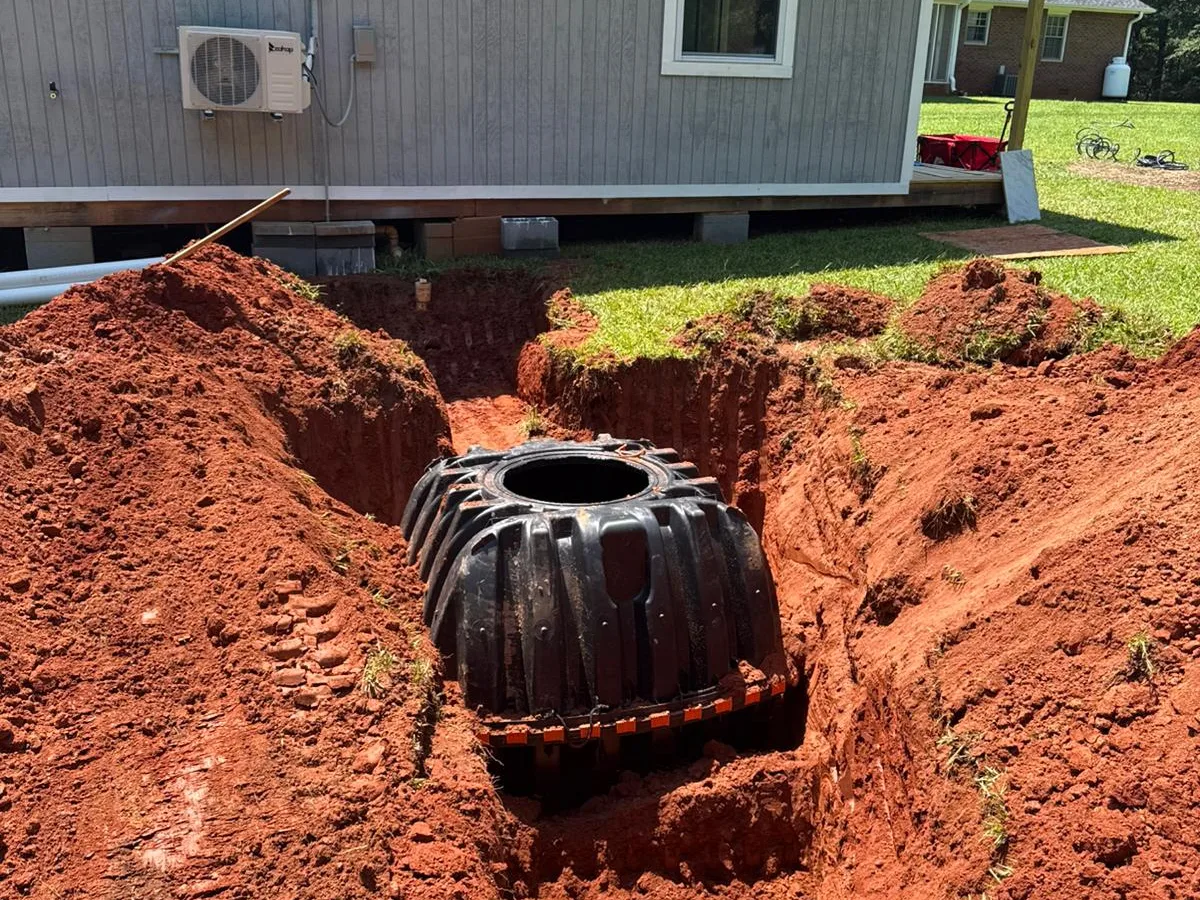
A Level III soil test runs $400 to $800, the starting cost behind almost every soil test for building permit approval in metro Atlanta. It is usually the very first bill a builder pays on a new lot that is not hooked up to city sewer. Nothing else moves until this test clears. Not the septic design, not the final building permit, not the loan closing in a lot of cases. We coordinate this work for lots across Forsyth, Gwinnett, Douglas, and Fayette counties every month, where new subdivisions keep going up on land the county has never evaluated before. Our septic installation in Atlanta GA team walks builders through the whole process, start to finish.
What Is a Level III Soil Test and Why Does the County Want One for a New Septic System?
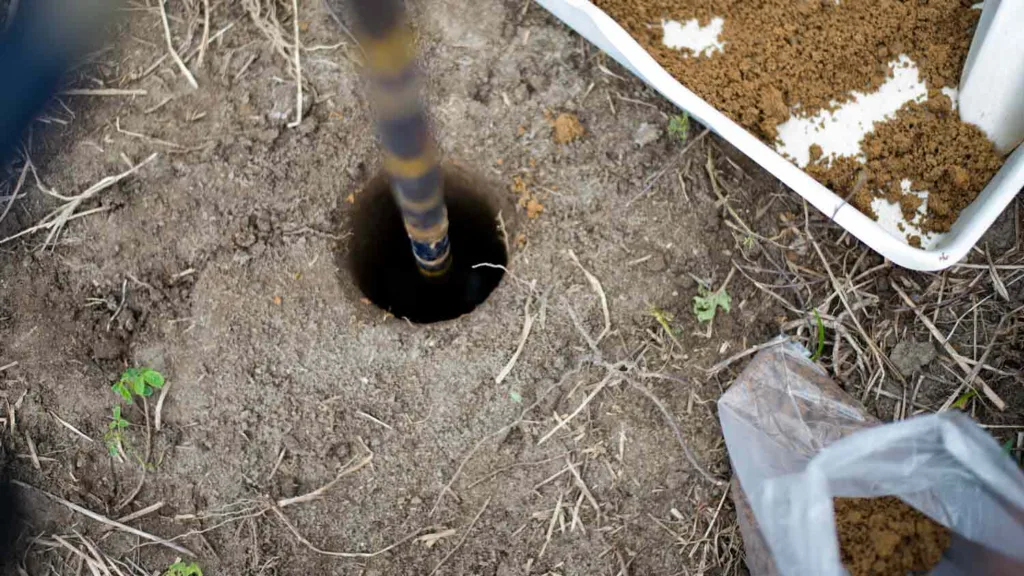
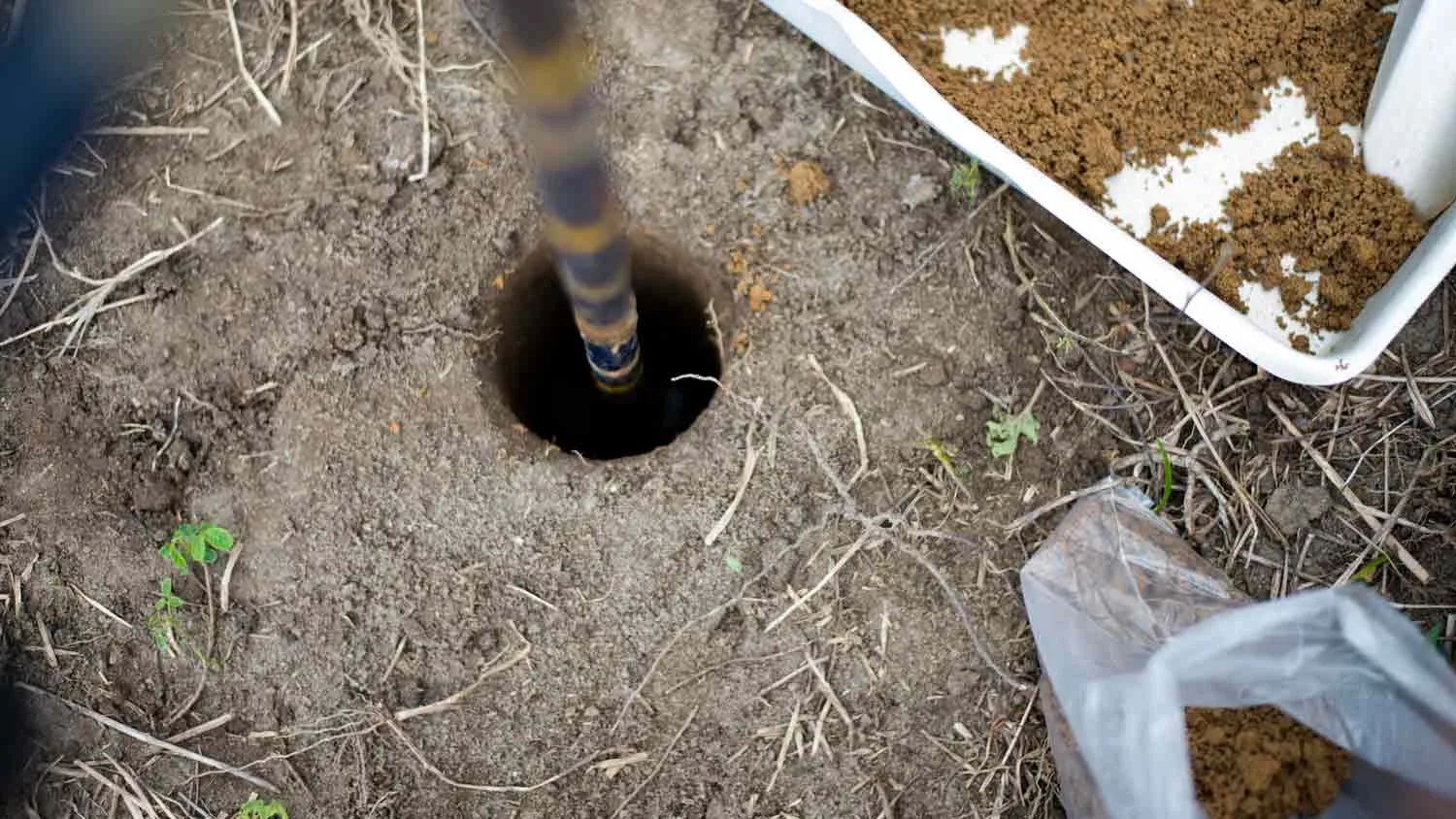
A DPH-certified soil classifier digs 3 to 5 test borings across your lot for a Level III soil test, usually 48 to 60 inches deep. Each boring gets logged for soil texture, color, structure, depth to rock, and depth to the seasonal high water table. This is a full site evaluation, not a quick drainage check.
The county wants this because a septic system placed in the wrong soil does not fail quietly. It fails into your yard, a neighbor’s well, or a nearby stream. The Georgia Department of Public Health requires this soil test for building permit approval before any county health department will sign off on a septic permit. No county in metro Atlanta skips this step.
Once you know what the test actually checks, the next question most people ask is how it differs from the perc test their agent or builder mentioned.
What’s the Difference Between a Perc Test and a Soil Test for a Building Permit?
A perc test measures one thing: how fast water drains through the soil at a single spot. A Level III soil test measures that plus soil classification, water table depth, and rock depth across multiple borings on the property.
Georgia does not accept a standalone perc test for a septic permit. The perc rate gets folded into the full Level III report. If a listing or a neighbor mentions “the perc test,” they usually mean the whole soil test for building permit process, not a separate step. Our perc test cost breakdown for metro Atlanta covers the pricing side county by county.
Once that confusion is cleared up, the next real question is who is actually allowed to come out and run this test on your land.
Building on a Lot Without Sewer? Get Your Soil Test Scheduled.
Get your soil test for building permit approval scheduled before your closing date creeps up. We serve Forsyth, Gwinnett, Douglas, Fayette, and all 9 metro Atlanta counties.
Who Is Allowed to Perform a Soil Test for a Septic System in Georgia?
Only a soil classifier or soil scientist certified by the Georgia Department of Public Health can perform this evaluation. Georgia DPH also requires these professionals to carry at least $1 million in liability insurance.
A general contractor cannot do it. Your builder cannot do it. A plumber cannot do it, even a good one. We work with the same certified classifiers on every soil test for building permit request we coordinate, so the report meets county standards the first time instead of getting kicked back for a redo. That is exactly the coordination our soil testing and septic permit service handles for you.
Once you know who does the work, the next practical question is whether every county wants the same thing from that report.
Do All Metro Atlanta Counties Require the Same Soil Test Before Approving a Building Permit?
Yes on the test itself. Georgia DPH sets one statewide standard. Every metro Atlanta county, from Forsyth to Fayette, requires the same soil test for building permit approval, no exceptions by county.
No on the fees and the wait. Permit fees run from around $150 in smaller counties up past $1,000 in Fulton County, and county review windows range from about a week in some counties to the full 30 business days state law allows in busier ones. See our breakdown of septic services cost in Fulton County GA and septic services cost in Gwinnett County GA for the county-by-county numbers, or our step-by-step guide to getting a septic permit in Fulton County GA. If you are building in Cobb County specifically, we have also mapped out the full septic permit process in Marietta, GA and our septic services cost in Cobb County GA guide.
Fees and paperwork aside, the question that actually affects your build schedule is how long the whole soil test for building permit process takes from the day the classifier shows up.
How Long Does a Soil Test Take Before Construction Can Start?
The fieldwork itself is fast. A classifier can usually dig and log every test boring on a typical residential lot in a single day.
The wait is everything after that. The written report takes 5 to 10 business days. Then the county reviews the full application, soil report included, which by Georgia law can take up to 30 business days depending on the county. Add it up and most builders are looking at 2 to 6 weeks from the day we schedule the classifier to the day the permit clears, per our full breakdown of septic system permits across metro Atlanta.
Last month we scheduled a soil test for building permit approval on a new-build lot off Post Road in Cumming. The classifier hit heavy red clay at 14 inches on the first two borings and had to move to a third spot before finding ground that would support a standard drainfield. That extra boring cost the builder two extra days, not two extra weeks, because we caught it early.
Two to six weeks only matters if the report you end up with is still good by the time you actually break ground, which brings up the next question.
This Is Fixable. Call Us Before You Break Ground.
Already mid-project? We can pick up your soil test for building permit paperwork wherever you left off, anywhere in metro Atlanta.
Once It’s Done, How Long Is a Soil Test Good For?
Most Georgia counties accept a Level III soil test for 2 to 5 years from the date it is issued. That is not a fixed statewide number, so confirm the exact window with your county health department.
A lot of metro Atlanta counties will want a fresh test if more than 3 years have passed, or if the lot has been graded, cleared, or otherwise disturbed since the original test. If you bought raw land two or three years ago and are only now pulling the building permit, do not assume the old report still counts. Call and confirm before you build a budget around it.
Assuming your report is still valid, the number every builder actually wants first is what this whole soil test for building permit process costs.
How Much Does a Soil Test Cost for a Building Permit in Metro Atlanta?
Budget $400 to $800 for the soil test itself, the core cost behind every soil test for building permit approval in metro Atlanta. That fee goes to the independent DPH-certified classifier, not to us, and it is the same third-party cost whether you are in Forsyth County or Fulton County.
The soil test for building permit approval is only one line item, though. County permit fees stack on top, and they vary quite a bit by location.
| What You’re Paying For | Typical Cost | Who You Pay |
|---|---|---|
| Level III Soil Test | $400 – $800 | Independent DPH-certified soil classifier |
| County Permit Fee | $150 – $1,000+ | Your county Board of Health, varies by county |
| Engineered System Design (if needed) | $1,500 – $3,000 | Licensed engineer, only if the standard test fails |
If the soil comes back needing an engineered system instead of a standard drainfield, add design fees on top of that. Our engineered septic system design team can walk you through this before you commit to a lot. For the full project cost once the soil test clears, see our guide to new septic system installation cost in metro Atlanta.
Cost only matters if the land actually qualifies, so here is what happens when it does not.
If My Soil Fails the Test, What Happens Before My Building Permit Is Approved?
A failed soil test for building permit approval does not mean the project is dead. It means a standard gravity-fed drainfield will not work on that specific lot.
In most cases the fix is an alternative system: a mound drainfield, a pressure-dosed system, or an aerobic treatment unit. These systems cost more to install, but they are fully permitted in Georgia and common enough that we install them regularly across the growth counties. See our full rundown of options after a failed perc test in metro Atlanta for what each alternative involves and costs, our drainfield installation cost in metro Atlanta guide for pricing, or our guide to drainfield installation in Atlanta GA for how the alternative field actually goes in the ground.
You can also request a second Level III test from a different certified classifier. Results sometimes differ on borderline lots, and a second opinion costs another $400 to $800, which is far cheaper than walking away from land you already own.
There is one soil condition that causes more of these calls than anything else in the northern half of metro Atlanta, and it is worth addressing directly.
Can I Still Build on My Lot if the Soil Test Shows Heavy Clay?
In most cases, yes. Heavy clay soil alone does not fail a soil test for building permit approval. It just changes which system the county will approve.
We see this constantly in Forsyth and Gwinnett counties, where red clay drains slowly and holds water long after a rain. A standard drainfield struggles in that soil, so a mound system or an engineered design usually solves it. It is the same clay behind a lot of the drainfield failure signs we see across metro Atlanta years later, on systems that were never designed for it in the first place. Down the road, that is also when drainfield repair in Atlanta GA becomes the call, if a system ever does get forced into ground it was not built for.
The soil test for building permit approval is what catches this before you spend money on a system that is wrong for the ground. Our engineered septic system design team designs around exactly what the test finds, clay included.
Once you have a system type that fits your soil, the last thing worth knowing is when to actually pick up the phone instead of waiting.
When Should You Call About a Soil Test for Building Permit Approval Right Away?
Call today if:
- Your construction loan closing is already scheduled and no soil test has been ordered
- You are inside a due-diligence window on raw land and it is about to expire
- The county already rejected your application for missing or expired soil data
- A soil test on the lot already came back marginal and you need engineering options fast
It can usually wait a day or two if:
- You are still comparing lots and want rough numbers before making an offer
- You already have a valid Level III report and only need help filing the permit
Either way, our septic installation in Atlanta GA team can tell you where you stand in a single call. Once your system is installed and running, that is a different set of questions, the kind covered in our guides to septic repair near Cumming, GA and septic pumping in Lawrenceville, GA, plus septic tank repair in Atlanta GA for anything that comes up later. Down the line, routine septic tank pumping in Atlanta GA and a periodic septic inspection in Atlanta GA keep a properly permitted system working for decades.
Frequently asked questions about soil test for building permit in Georgia
How much does a Level 3 soil test cost in Georgia?
A Level III soil test runs $400 to $800 across metro Atlanta. That fee goes to an independent DPH-certified classifier, not to us. County permit fees are separate and vary by location. See our perc test cost breakdown for metro Atlanta for county-by-county numbers.
How long is a soil test good for on a septic system?
Most Georgia counties accept a Level III result for 2 to 5 years. Many reset that clock after 3 years or if the lot has been graded or disturbed since the original test. Check with your county health department before assuming an older report still qualifies for your soil test for building permit approval.
Who does soil testing for septic systems in Georgia?
Only a Georgia DPH-certified soil classifier or soil scientist can perform this test, and they must carry at least $1 million in liability insurance. A contractor, plumber, or builder cannot self-certify the soil, and skipping this step will stall your soil test for building permit approval entirely. We coordinate certified classifiers for every septic installation in Atlanta GA project.
What happens if my lot has heavy clay soil?
Heavy clay does not disqualify your lot on its own, and it will not automatically fail your soil test for building permit approval. It usually means a mound system, pressure-dosed system, or aerobic treatment unit instead of a standard drainfield. Our engineered septic system design team handles this regularly in Forsyth and Gwinnett counties.
Can I use an old soil test to get a building permit today?
Maybe. It depends on the county and how long ago the test was done. If it has been more than 3 years, or the land has been graded since, most counties want a new evaluation before your septic system permit application goes through.
Is a perc test enough, or do I need the full Level 3 soil survey?
You need the full Level III survey for a soil test for building permit approval. Georgia does not accept a standalone perc test for a septic permit. If your lot already failed one, see our guide to options after a failed perc test in metro Atlanta.
What Do Metro Atlanta Homeowners and Builders Say About Their Septic Company?
These projects all started the same way, with a soil test for building permit approval before anything else got scheduled.
“Installed a drainfield and two septic tanks. Awesome price compared to other estimates and easy to deal with.”
Antonio Brooks, Google review
“Had a great experience working with Brian and everything was handled professionally. Pricing was very fair and the septic tanks were installed on time. Big thanks to the team.”
Samik Sidhu, Google review
“Brian has always been a good resource when it comes to any of my septic projects. Always goes above my expectations.”
Barrington Ferguson, Google review
Rated 5 stars by homeowners across metro Atlanta.
Which Metro Atlanta Counties Do We Cover for Soil Testing and Building Permits?
We coordinate soil test for building permit approval work across all 9 metro Atlanta counties, with the heaviest new-construction volume right now in Forsyth County near Cumming, Gwinnett County near Lawrenceville and Dacula, Douglas County near Douglasville, and Fayette County near Fayetteville and Peachtree City. If you are building in Cobb County, see our septic permit process in Marietta, GA. For fee comparisons, our guides to septic permits in Fulton County GA and septic services cost in Gwinnett County GA break down what each county actually charges. Anywhere in the 9 counties, our septic installation in Atlanta GA team can usually get a soil classifier scheduled within the week. Call 404-694-3060.
We Have Seen This Before. We Can Help.
We handle soil test for building permit coordination across Forsyth, Gwinnett, Douglas, Fayette, and all 9 metro Atlanta counties.